
”When did you first see, hear, or read something that represented YOU?
Auntie Anne
Don't all our storytime friends deserve to see themselves authentically represented in the stories we read, the songs we sing, the books we have in our collections?
In February 2026, I attended the recent Indigenous Voices in Children’s Literature summer school, hosted by the University of Waikato Picturebook Research Unit (WaiPRU). We heard and read many stories.

There were presentations and workshops from authors, editors, translators, and academics.
There were speakers from Aotearoa New Zealand, Canada, the Cherokee Nation, the United States of America, and Wales.
There were 19 students from the University of Washington. Their input and insight was beyond their years, and invaluable. The week would not have been the same without them.
It was an intense and, at times, emotional four days.
So many stories – in written and verbal form.
So much information.
So much to think about and ponder. How will this knowledge influence, or be reflected in, my library practice?
I have familiarity with the publishing world in Aotearoa New Zealand, and have access to books published in te reo Māori, and / or within a te Ao Māori lens (the Māori world).
It was interesting to see, and learn about, the situation in other countries – with other non-dominant cultures / languages.
To see the differences – and the similarities in situations and publications.
The practicalities of bringing books from their northern hemisphere homes to Aotearoa New Zealand, meant that the books share were even more deliberately selected. Which meant that the messages the presenters want to share were more obvious.
For all, that was the importance of story sovereignty: stories told by those who have the right to them.
For all, that was sharing stories of reclamation of culture, of land, of language. Of decolonisation, or re-Indigenisation.
For many, that was sharing stories of joy and celebration. Of the everyday, while living and embodying Indigenous identity.
For some, it was sharing stories of sorrow. Of the harms of colonisation. Of abuse.
So much was shared that it has taken me a month to try and synthesise it all, in order to write about it.
There were so many books shared, way more than those I’ve selected here. There were the very rare young adult books – mainly in Welsh. Some non-fiction. Some children’s fiction. I have selected picture books that could work in a storytime situation.
The majority are in English, but there are some that are in a non-dominant and / or Indigenous language, and the occasional bilingual text.
Story Sovereignty
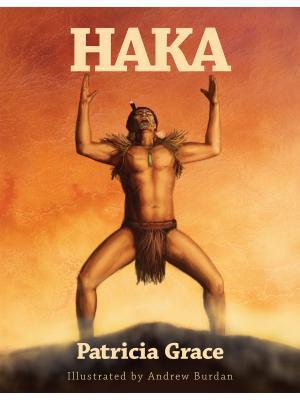
Haka
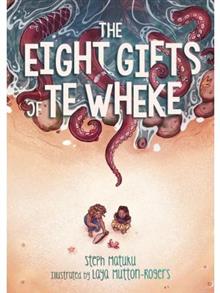
The Eight Gifts of Te Wheke
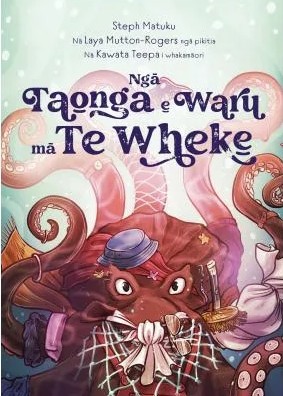
Ngā Taonga e Waru mā Te Wheke
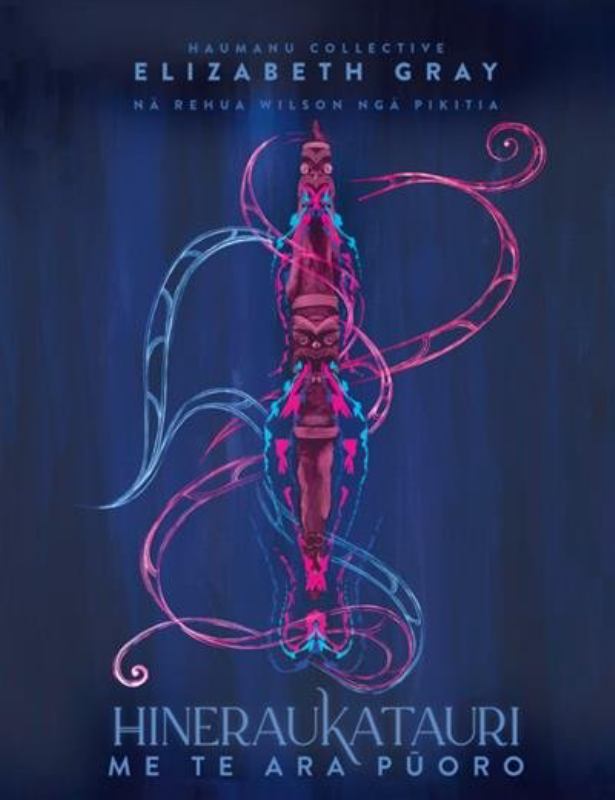
Hineraukatauri Me Te Ara Puoro
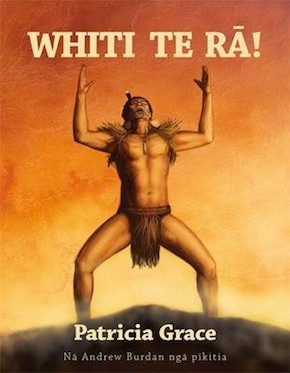
Whiti te Rā!
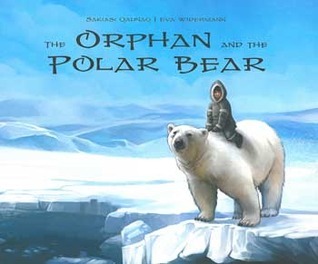
The Orphan and the Polar Bear
Sorrow
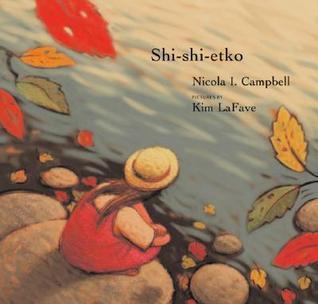
Shi-shi-etko
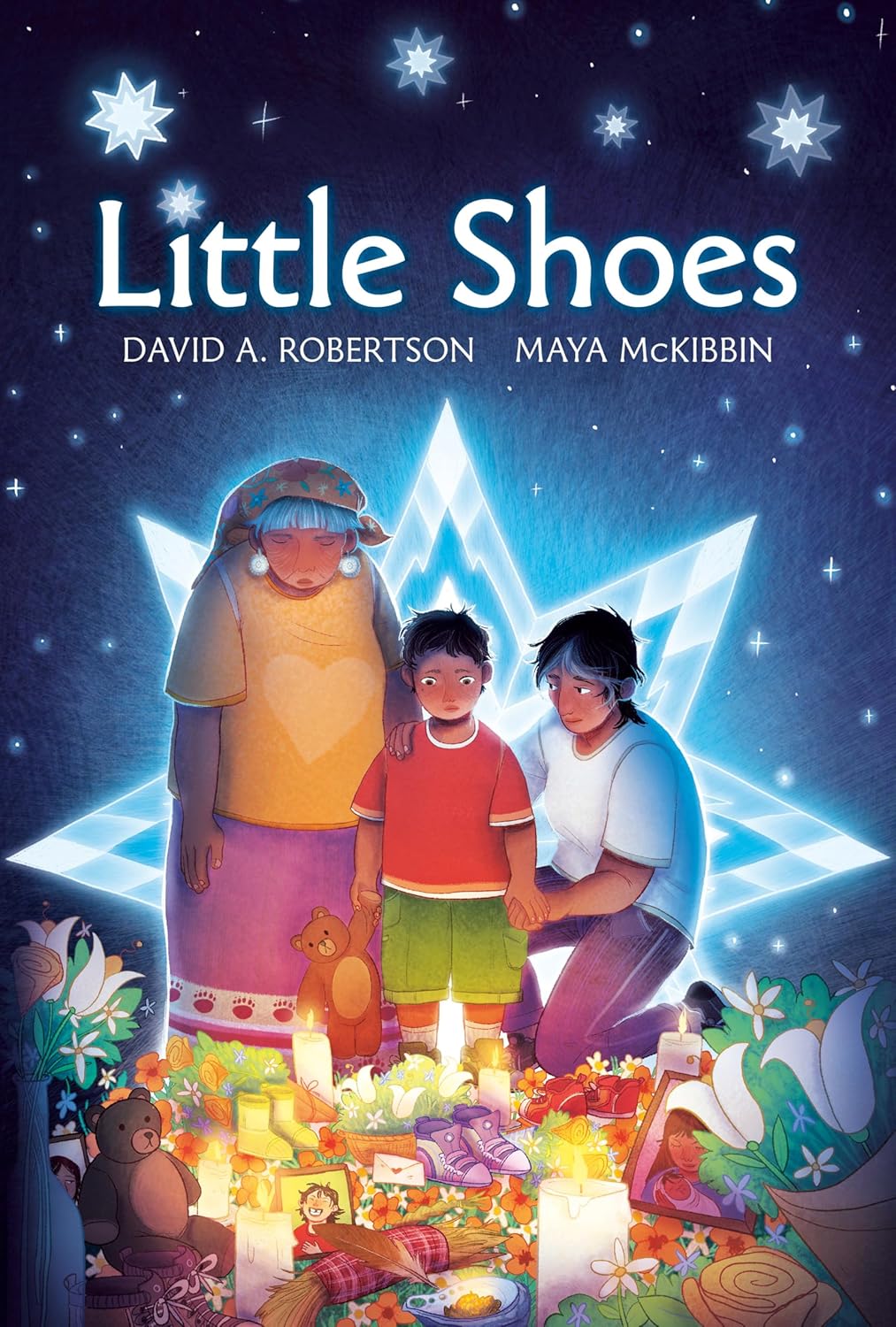
Little Shoes
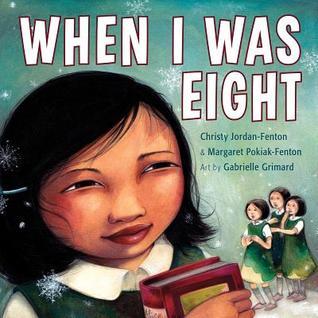
When I Was Eight
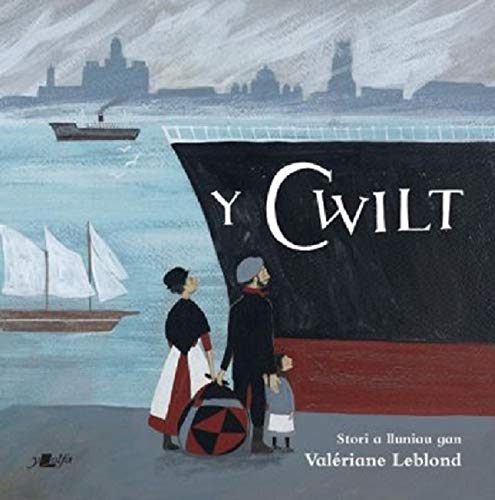
Y Cwilt
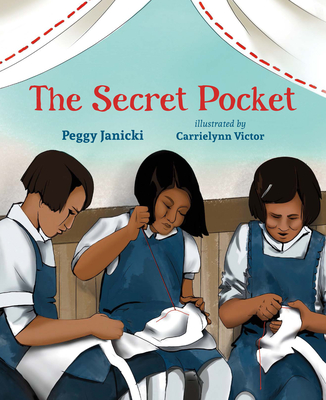
The Secret Pocket
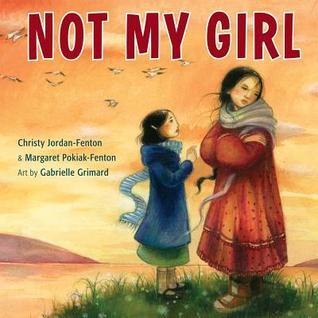
Not My Girl
Reclamation
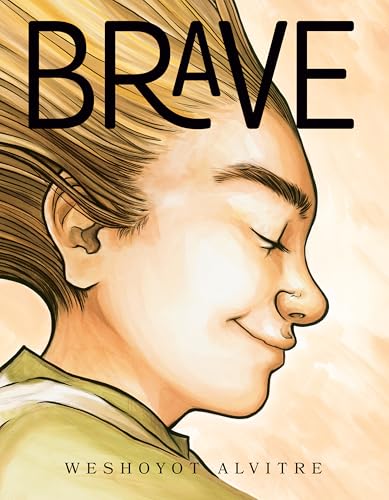
Brave
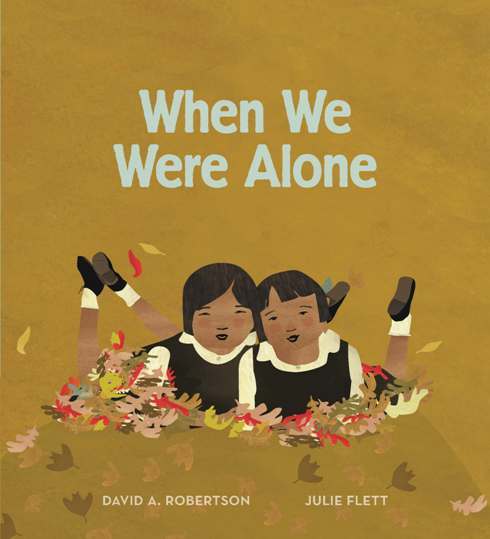
When We Were Alone
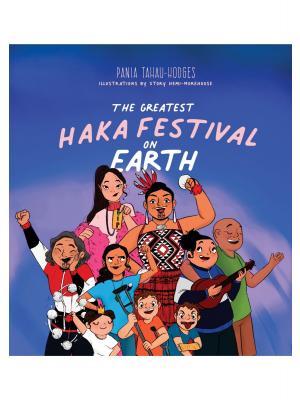
The Greatest Haka Festival On Earth
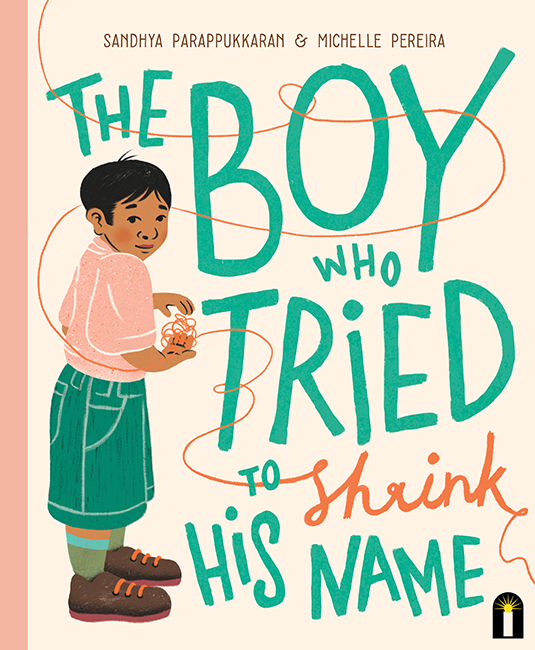
The Boy Who Tried to Shrink His Name
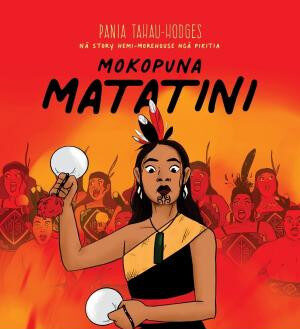
Mokopuna Matatini
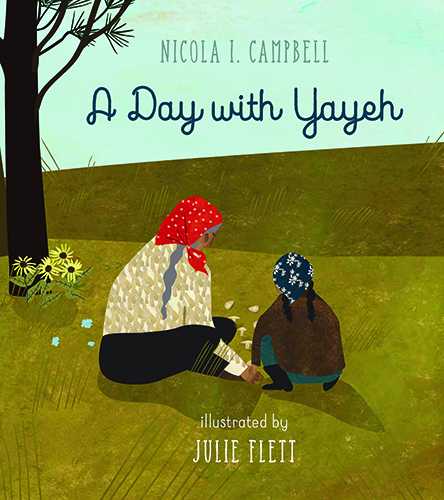
A Day with Yayah
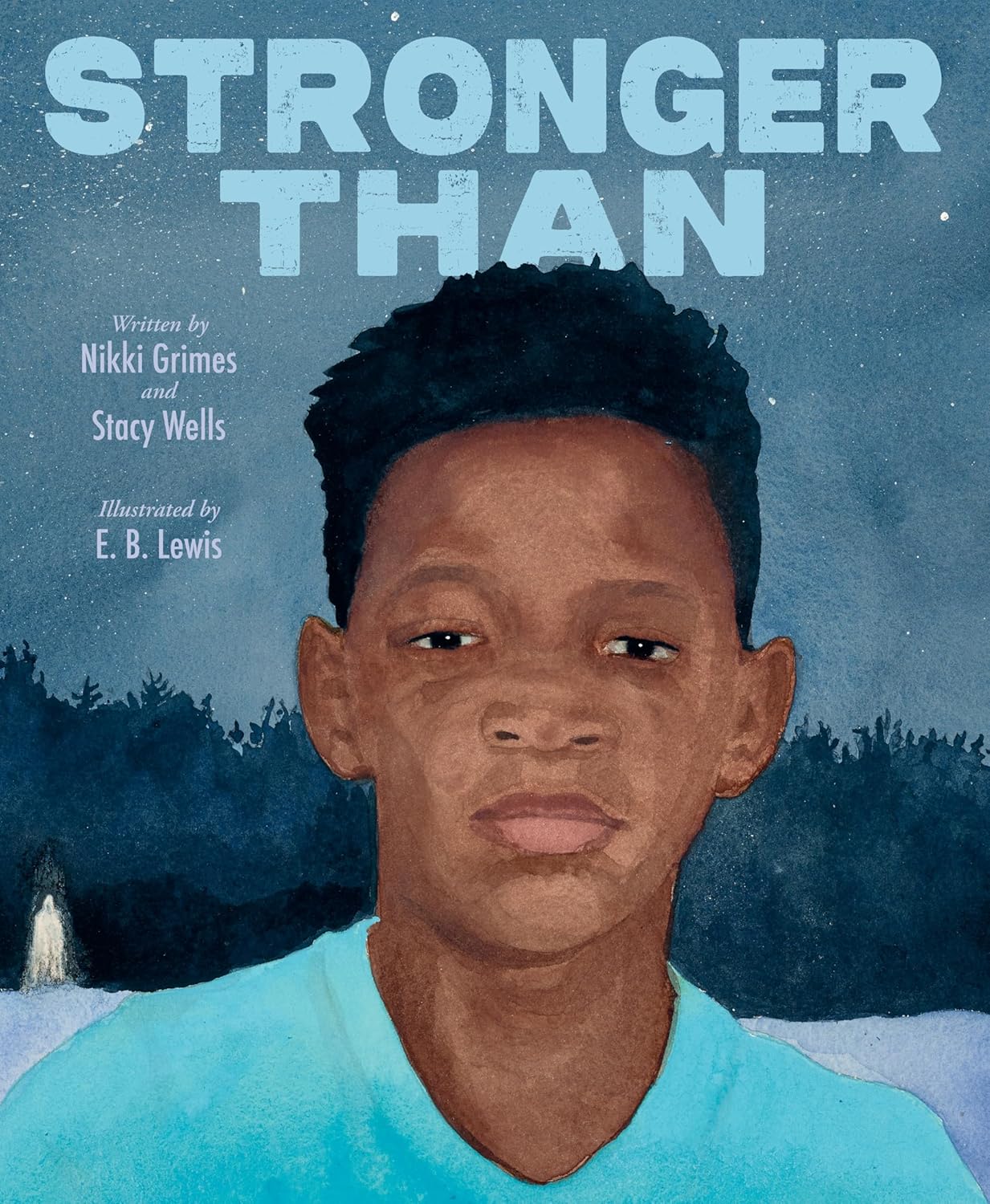
Stronger Than
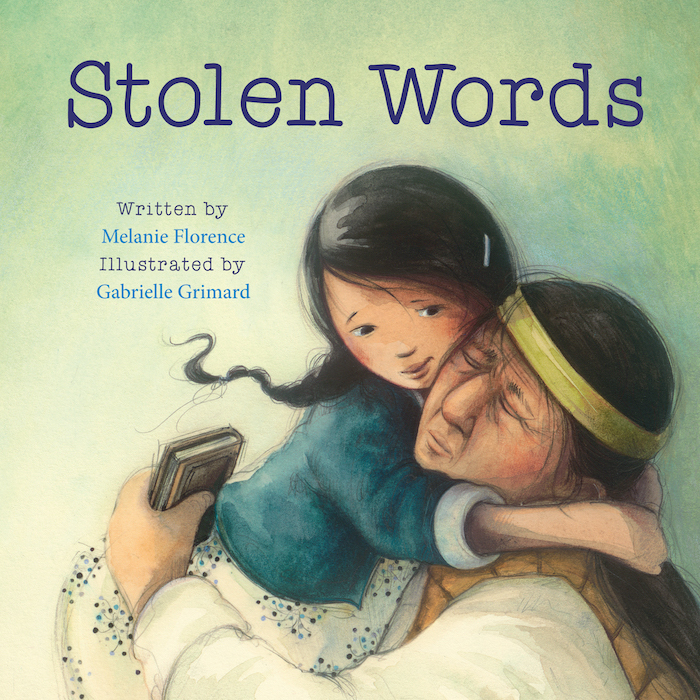
Stolen Words
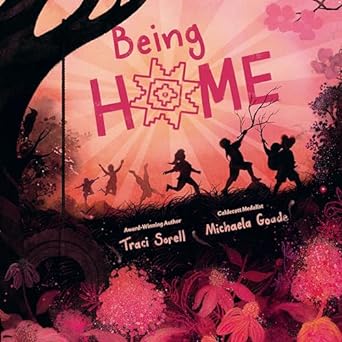
Being Home
Joy and Celebration
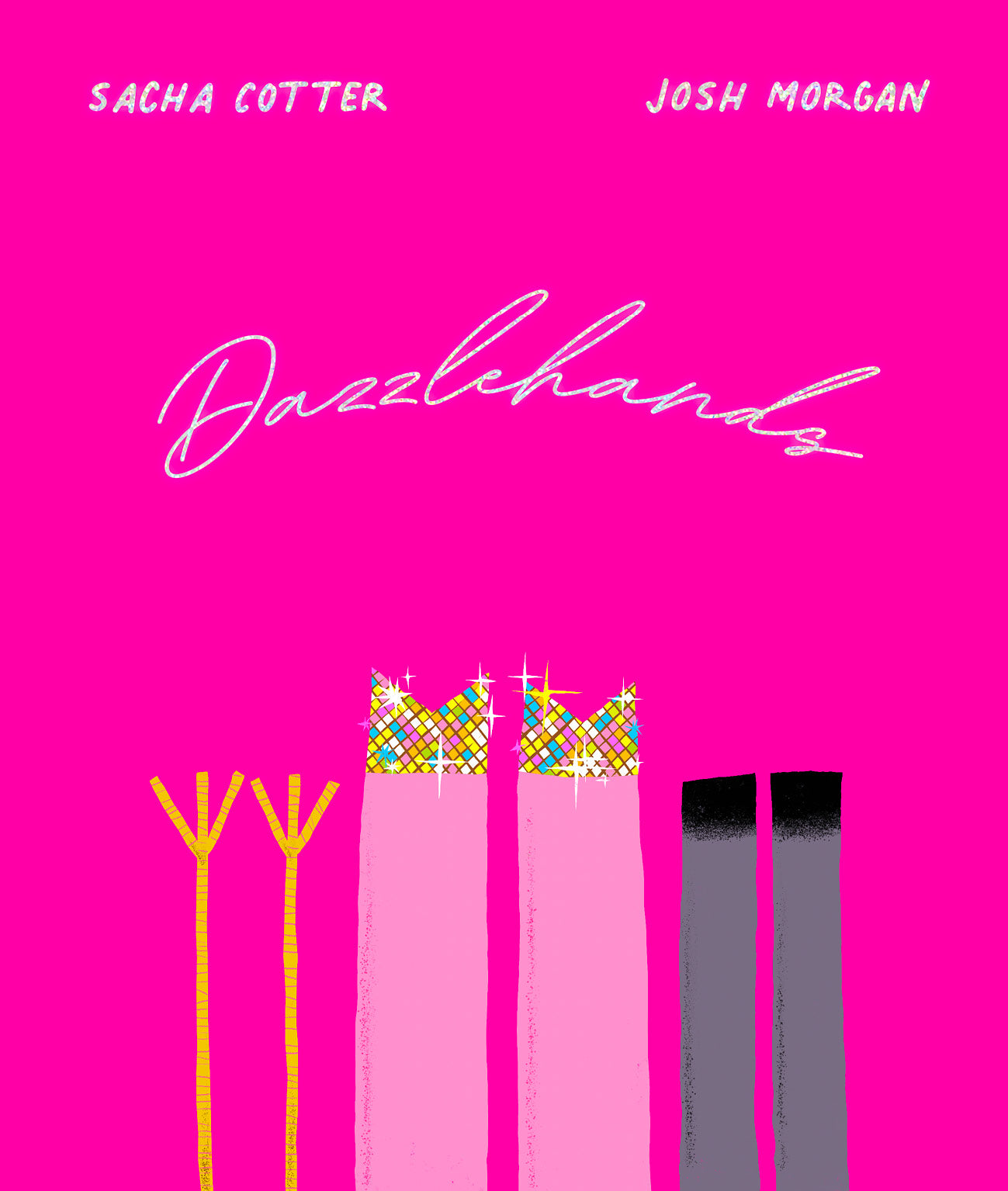
Dazzlehands
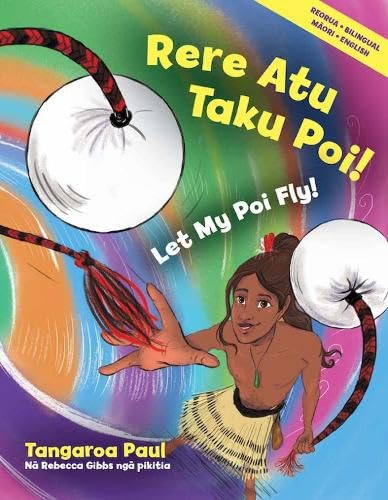
Rere Atu Taku Poi!: Let My Poi Fly!
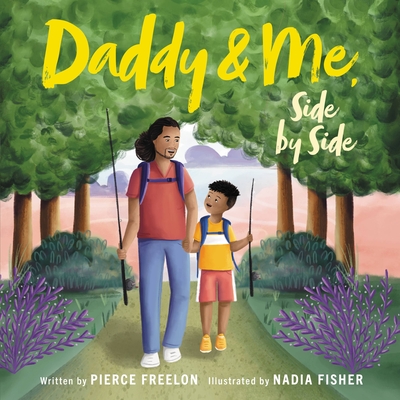
Daddy & Me, Side by Side
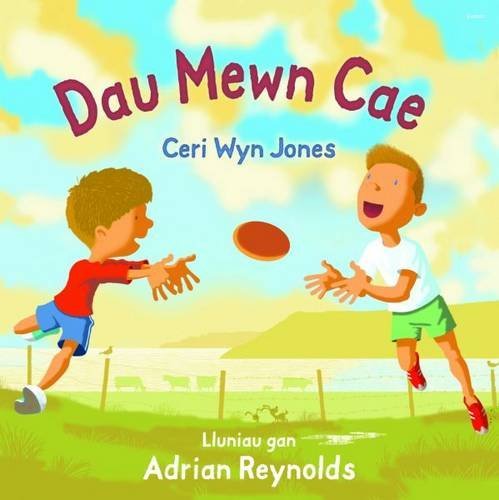
Dau Mewn Cae
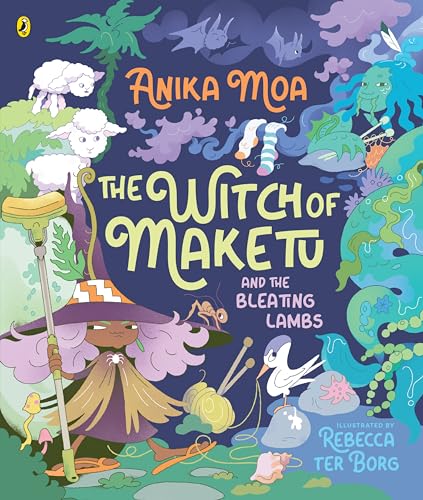
The Witch of Maketu and the Bleating Lambs
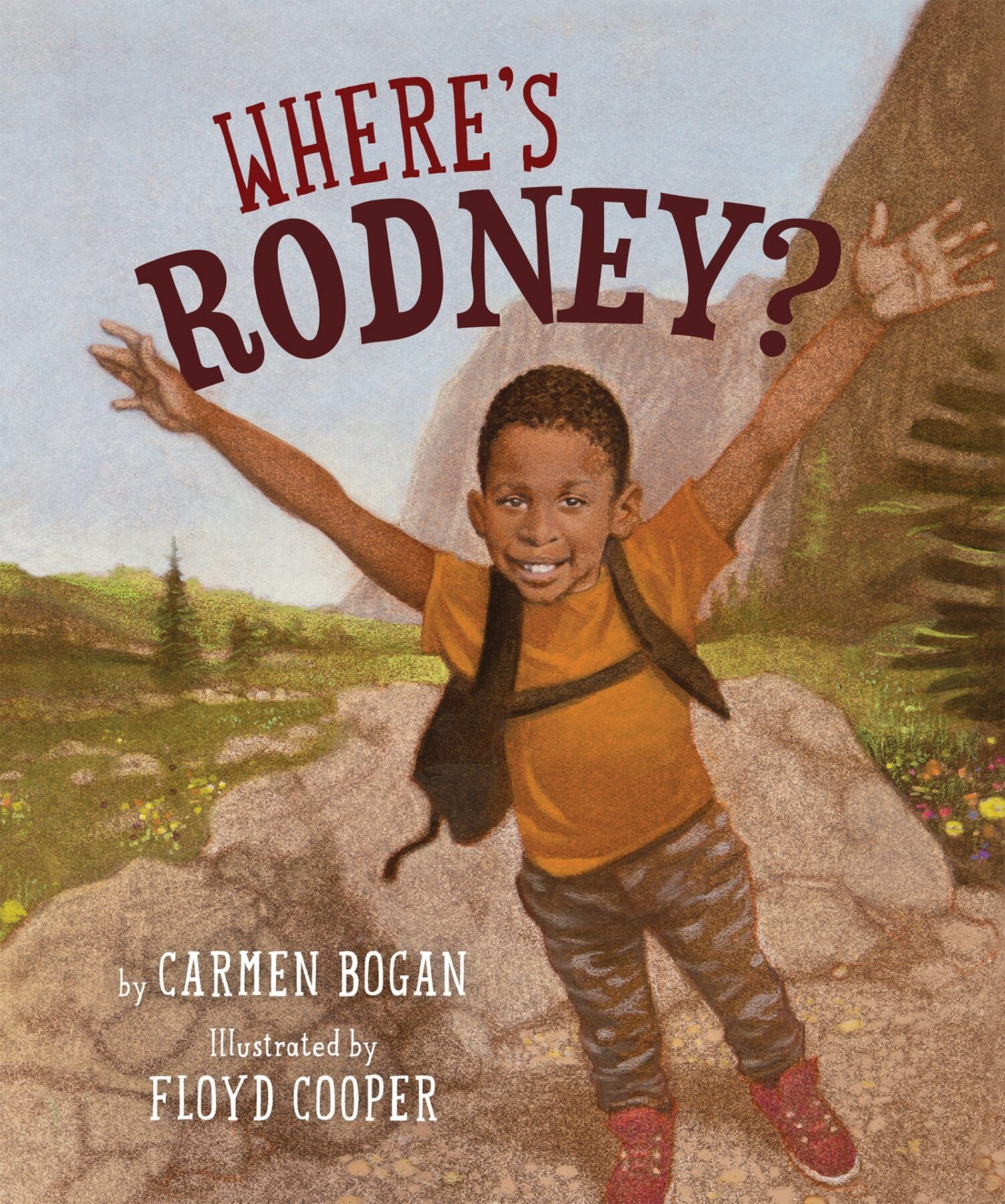
Where’s Rodney?
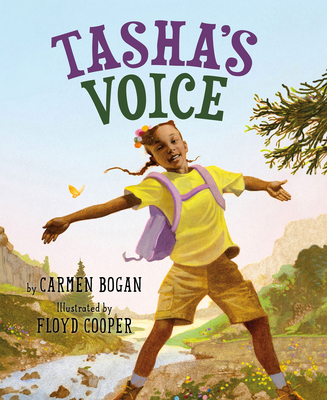
Tasha’s Voice
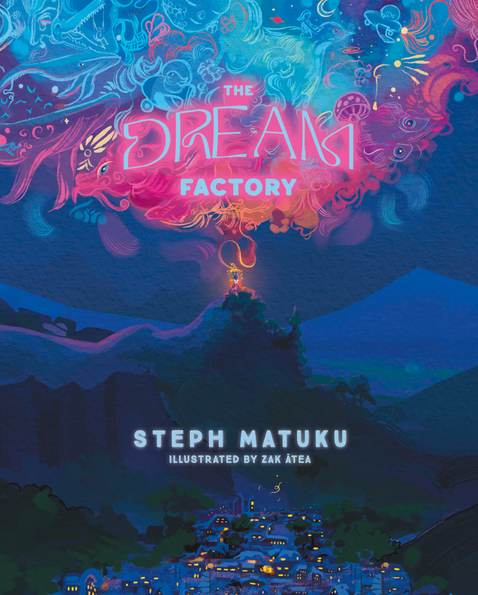
The Dream Factory
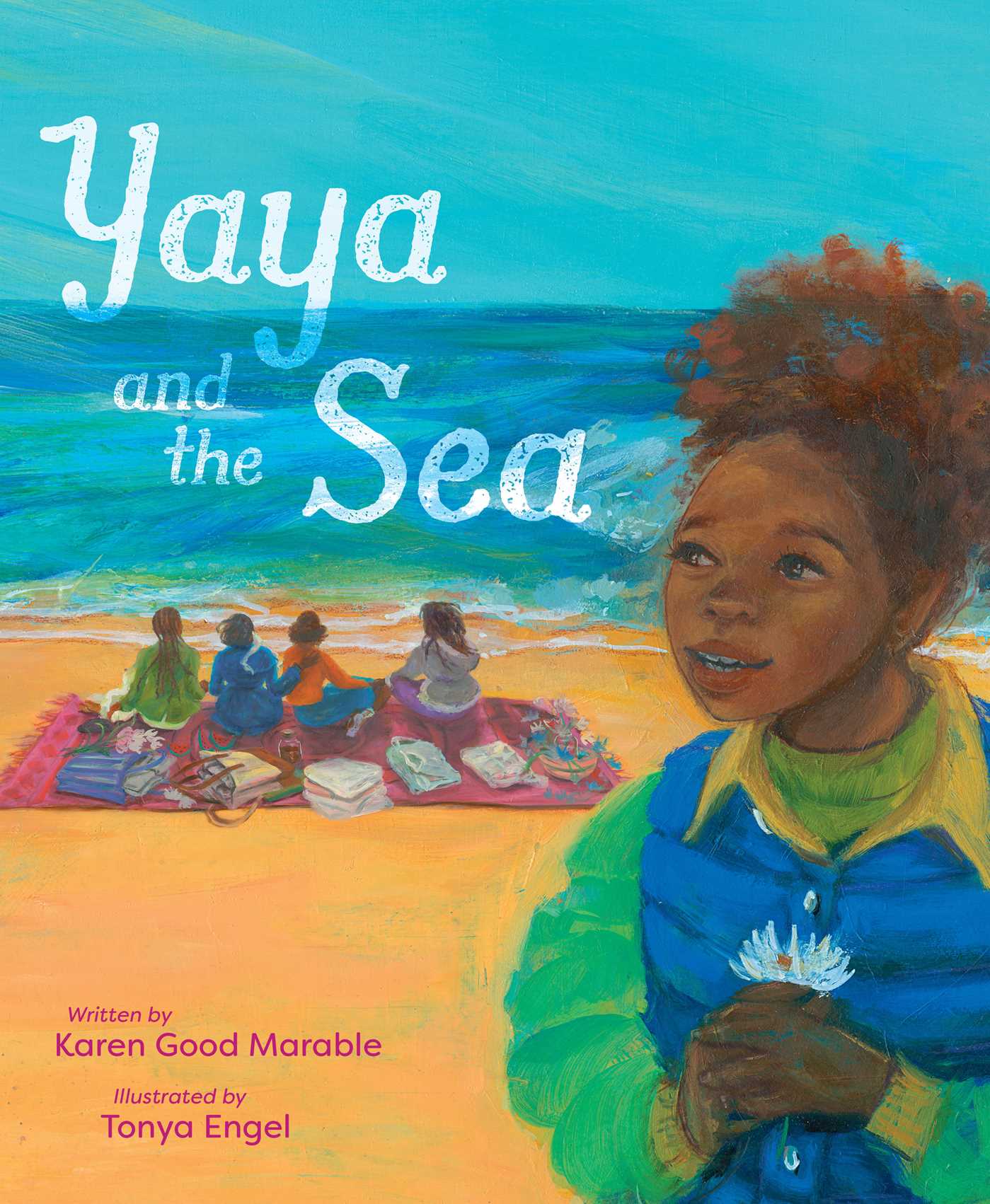
Yaya and the Sea
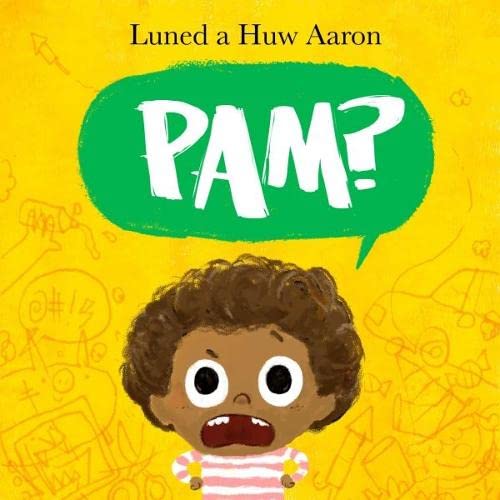
Pam?
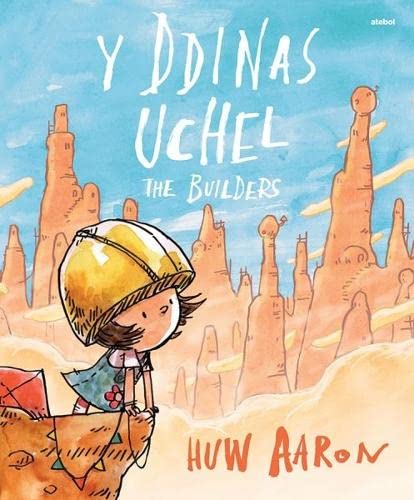
Y Ddinas Uchel / The Builders
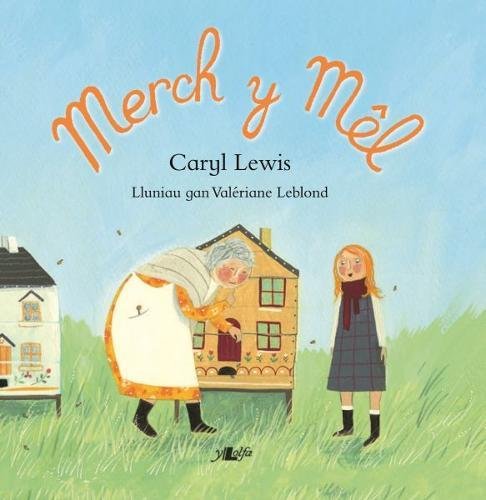
Merch y Mêl
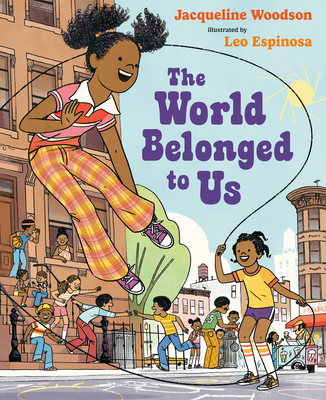
The World Belonged to Us
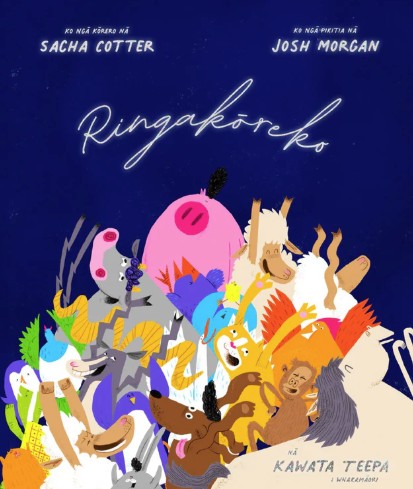
Ringakōreko
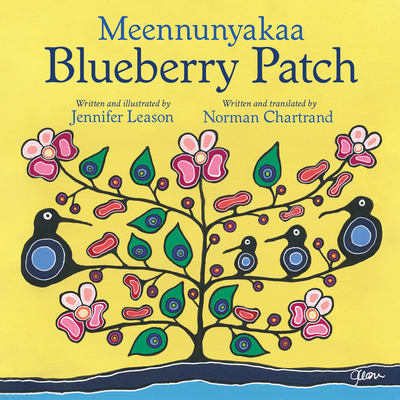
Meennunyakaa / Blueberry Patch
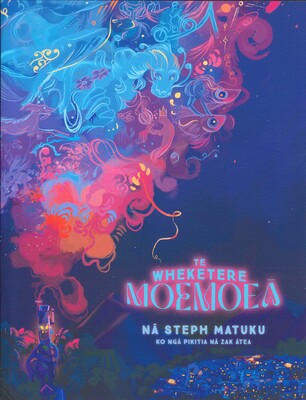
Te Wheketere Moemoeā
The Greatest Haka Festival On Earth
”I've been thinking a lot about Anne's words about story sovereignty and Indigenous stories. I see our role as one of amplifying the voices that have too long been kept quiet. We believe in the transformative power of literature. Books open minds and build empathy.
As Rudine Sims Bishop so beautifully told us, all children benefit from reading a wide range of books. Books that reflect their own experiences and books that offer windows into the worlds of others. But every child needs books that help them feel proud about who they are. Not that these books are any less vital to those who need windows into the lives of others.
These books are for everyone regardless of their background. Some of these books are more complicated than what we usually share here, maybe they're read alouds for older groups. Or lap reads meant to be shared so children are able to ask questions. Discussing these books with children is a real joy and a learning experience form the adult as well as the child.
It's our profound privilege to share books by Indigenous folks from all over the world. And it's important for everyone to include books like these in their libraries, storytimes, book lists, and displays. It's a small thing we can do to make the world kinder together.
Kate, The Lavender Librarian