

”Need to brighten up your storytime with some new (feathered and scaly) friends?
Look no further than Aotearoa New Zealand's weird and wonderful wildlife!
Auntie Anne
Ahh—that’s the sound of me enjoying this much needed change of scenery. Does your storytime need a boost? Could your program benefit from some fresh new faces, preferably with feathers? Thank you, Auntie Anne, for introducing us to the weird and wonderful wildlife of Aotearoa!
~Ingrid Christina
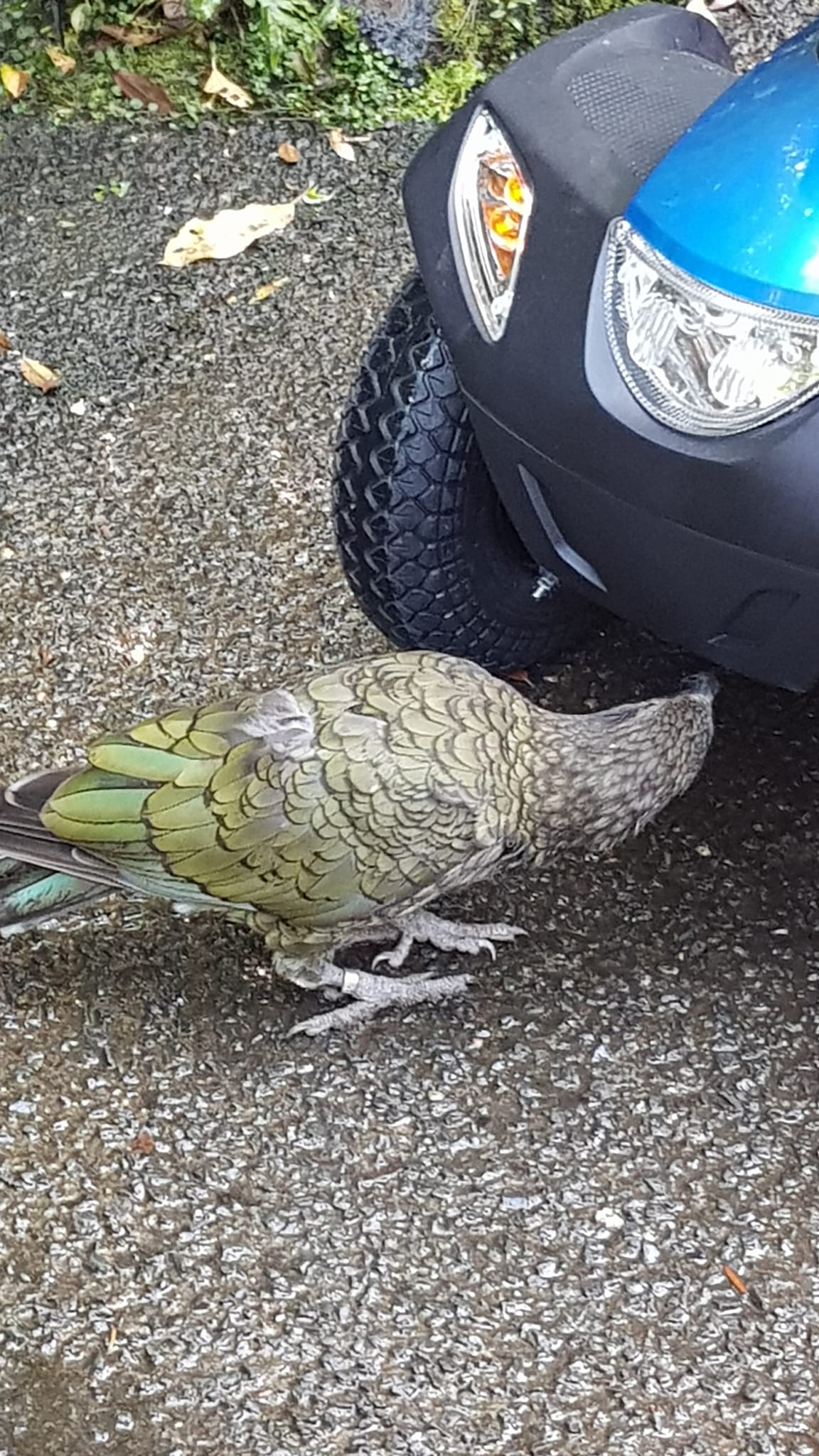
Who else has an alpine parrot? Who is famous for stripping parts off cars? (Seen, in our featured image, investigating a motorised scooter at Auckland Zoo.)
Or a nocturnal parrot? Who doesn’t sing, but booms – and only breeds every few years, when their favoured berries are ripe.
What about the only native land mammals being two species of bat – one of which basically doesn’t fly?
Giant, quirky, spikey insect – check!
A flightless bird with the biggest egg to body ratio in the world? Who has nostrils at the end of its very long beak?
Only member of the Rhynchocephalia lineage – which first appears in the fossil record in the Middle Triassic. (No, they are not living fossils.)
A threatened water bird made world famous by John Oliver?!
Seriously, Aotearoa has a LOT going on!
Pockets of the world have become riveted to a live cam feed of a kākāpō nest, as human helpers and a nocturnal parrot work together to save their species. This year, more chicks have hatched than was the TOTAL population in 1995 – when drastic conservation measures were put in place.
Follow along with the fun and friendly rivalry of Aotearoa’s animal of the year competitions. It’s not just birds.
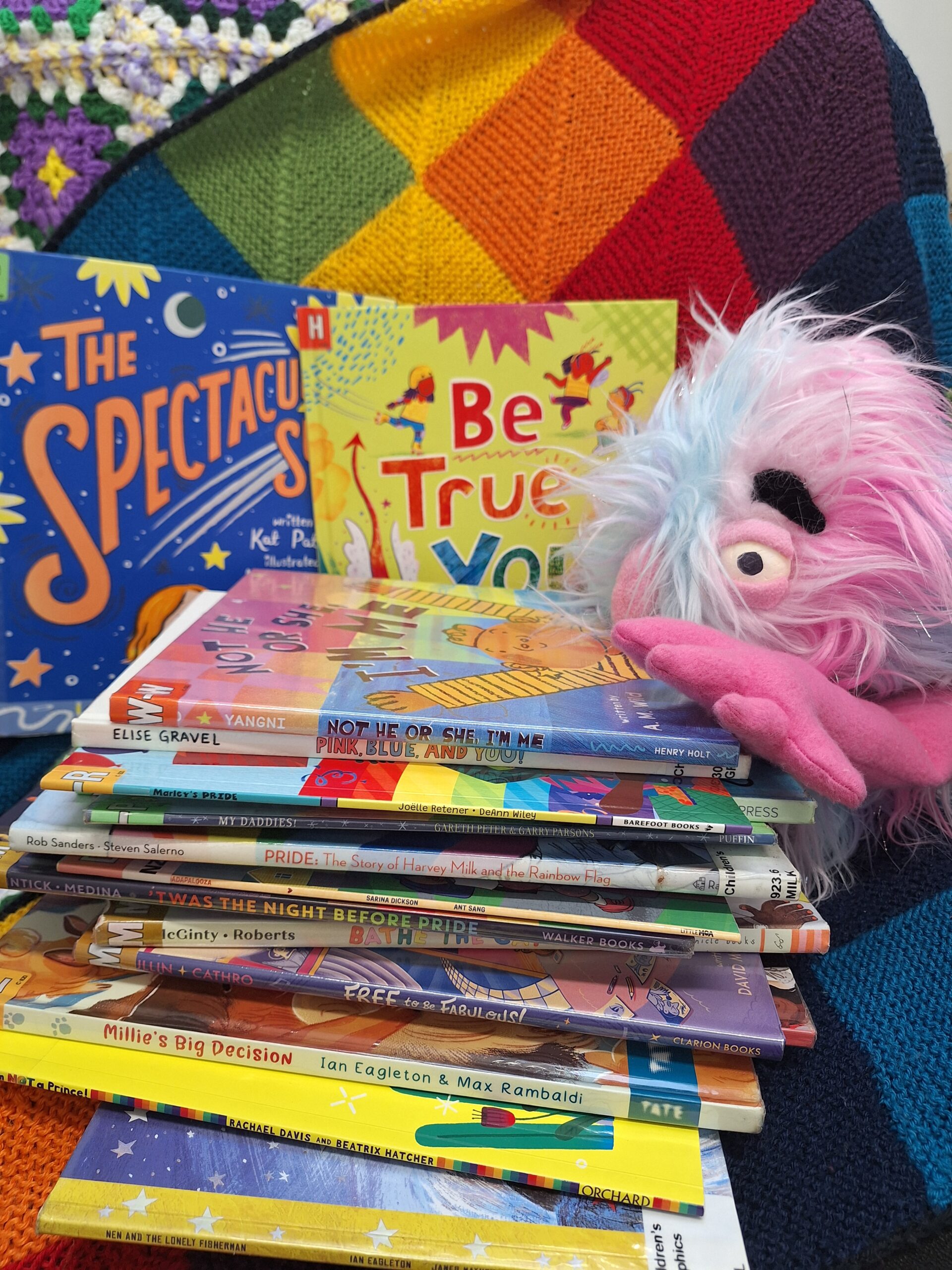
We are fortunate that some of our children’s literature people have created some wonderful storytime appropriate books celebrating our endemic species.
”Due to its long geological isolation since breaking away from the supercontinent Gondwana about 80 million years ago, New Zealand’s plants and animals have developed down a unique evolutionary path.
Many of our native plants and animals are endemic – that is, found nowhere else in the world. The level of endemism among New Zealand plants and animals is one of the highest in the world.
Forest & Bird
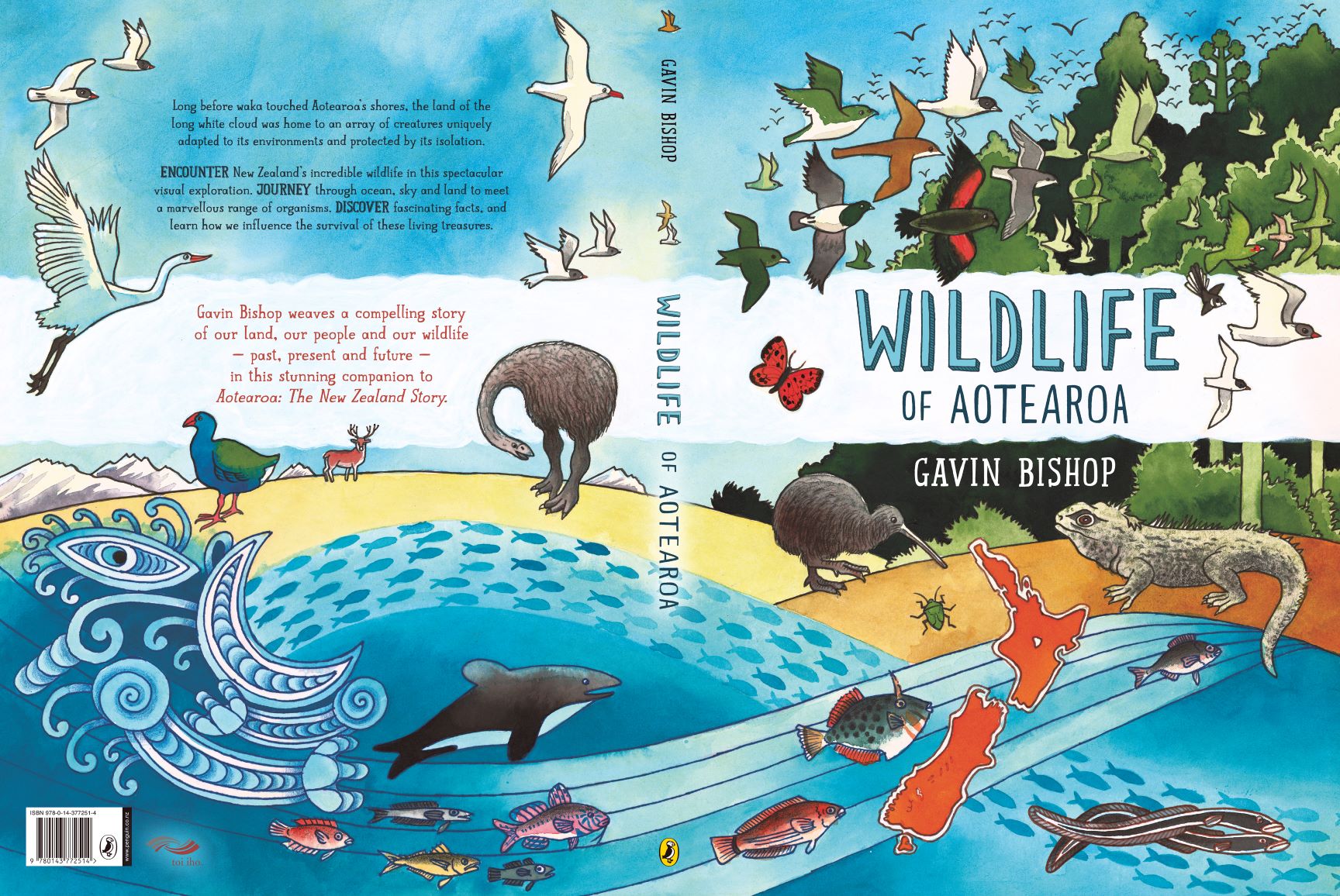
Wildlife of Aotearoa
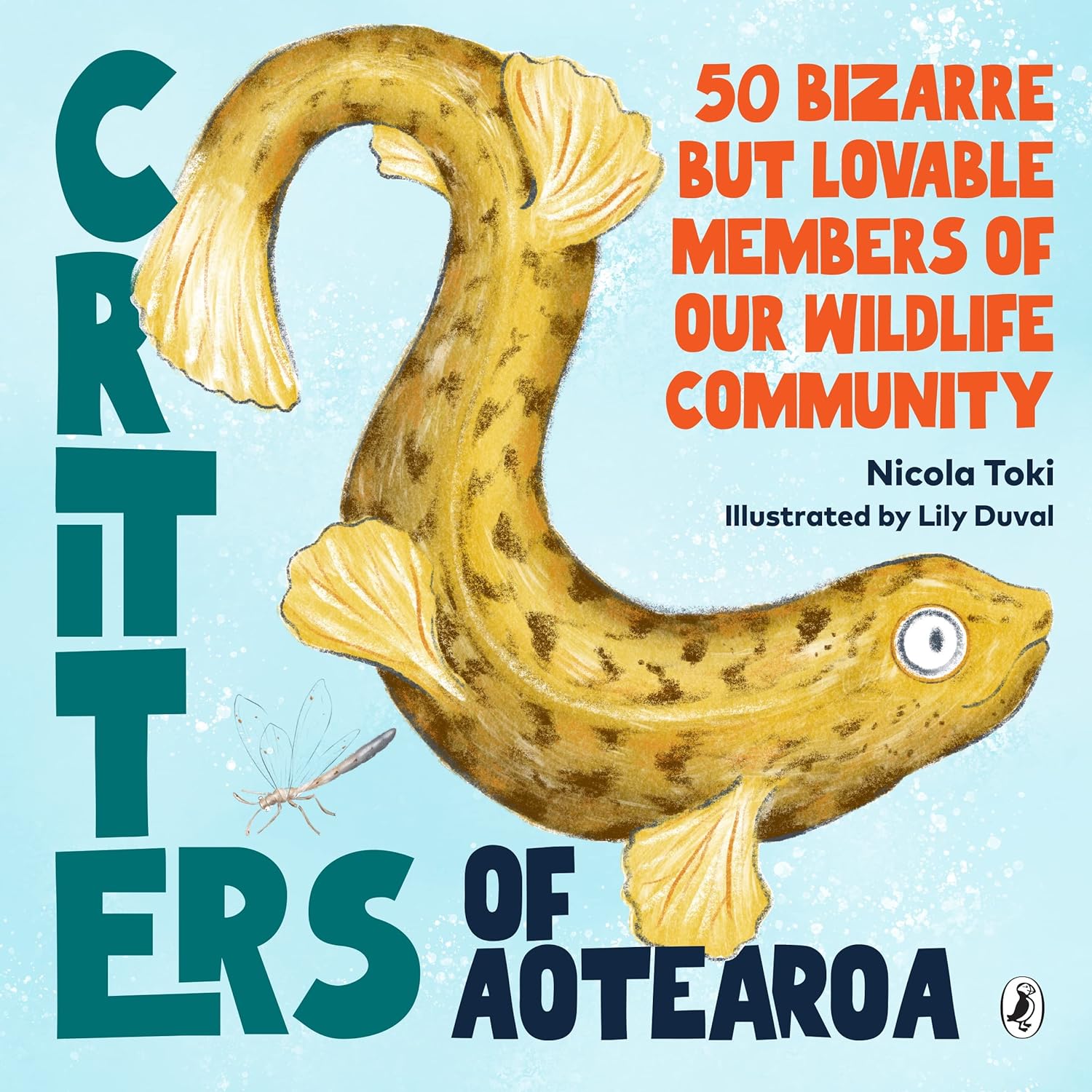
Critters of Aotearoa: 50 Bizarre but Lovable Members of Our Wildlife Community
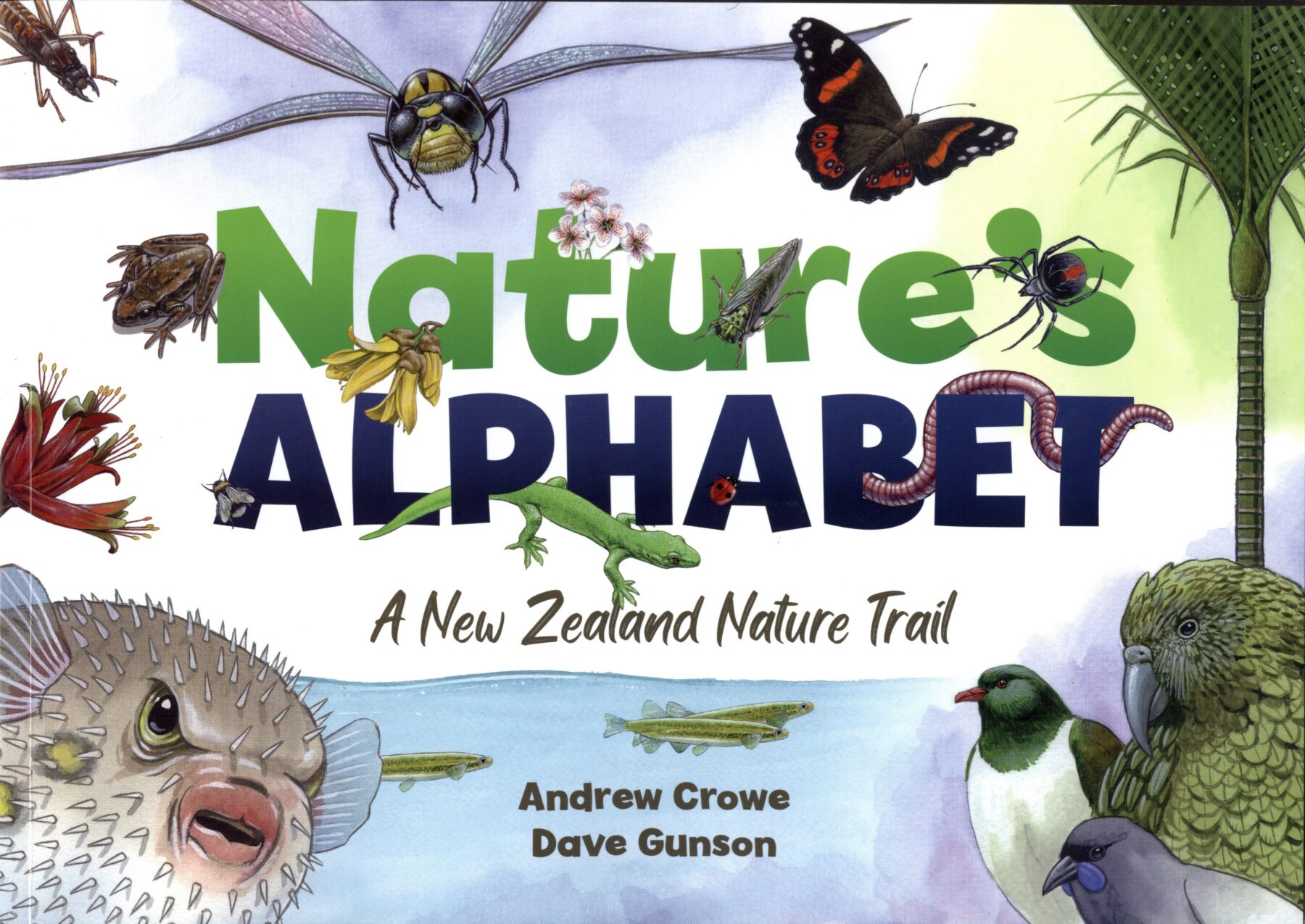
Nature’s Alphabet: A New Zealand Nature Trail
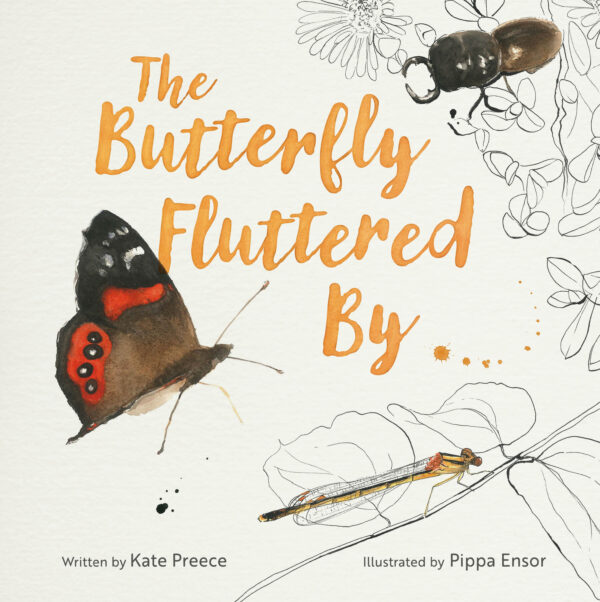
The Butterfly Fluttered By
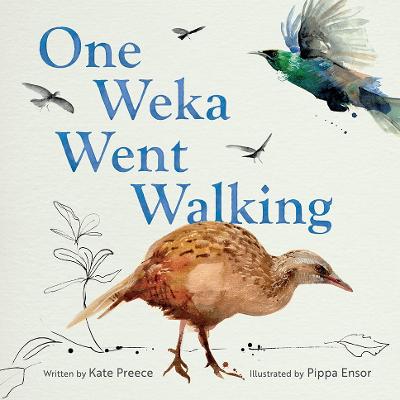
One Weka Went Walking
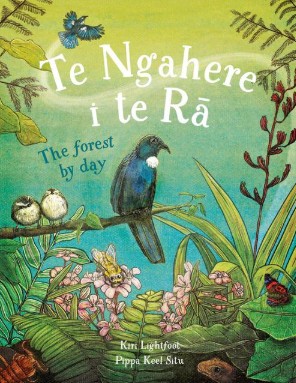
Te Ngahere i te Rā: The Forest by Day
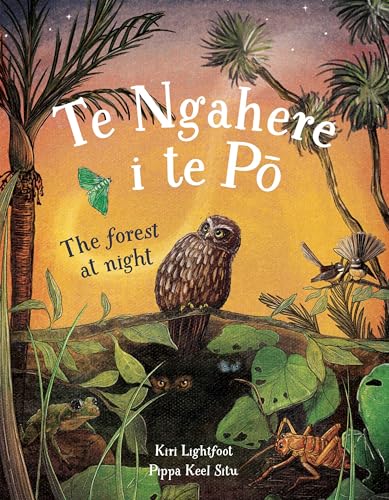
Te Ngahere i te Pō: The Forest at Night
”The kākāpō is a large, green, flightless parrot with an owl-like face and a waddling gait. It is nocturnal, the world’s only lek‑breeding parrot, and possibly the longest‑lived bird species, living 60–90 years. It is also the heaviest parrot species, with males weighing up to 4 kg.
Department of Conservation
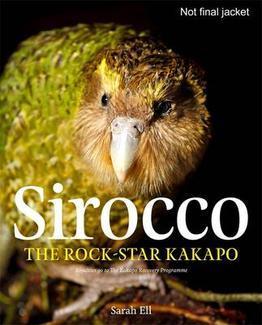
Sirocco: the Rock-star Kākāpō
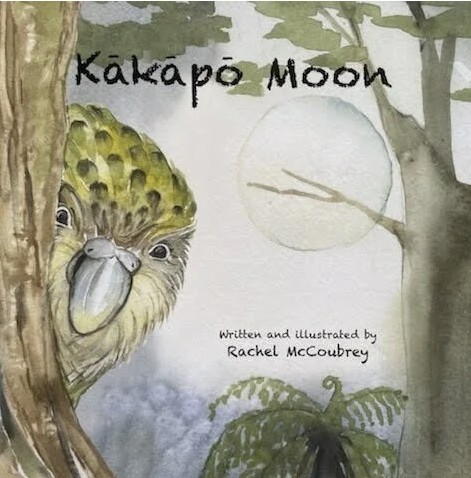
Kākāpō Moon
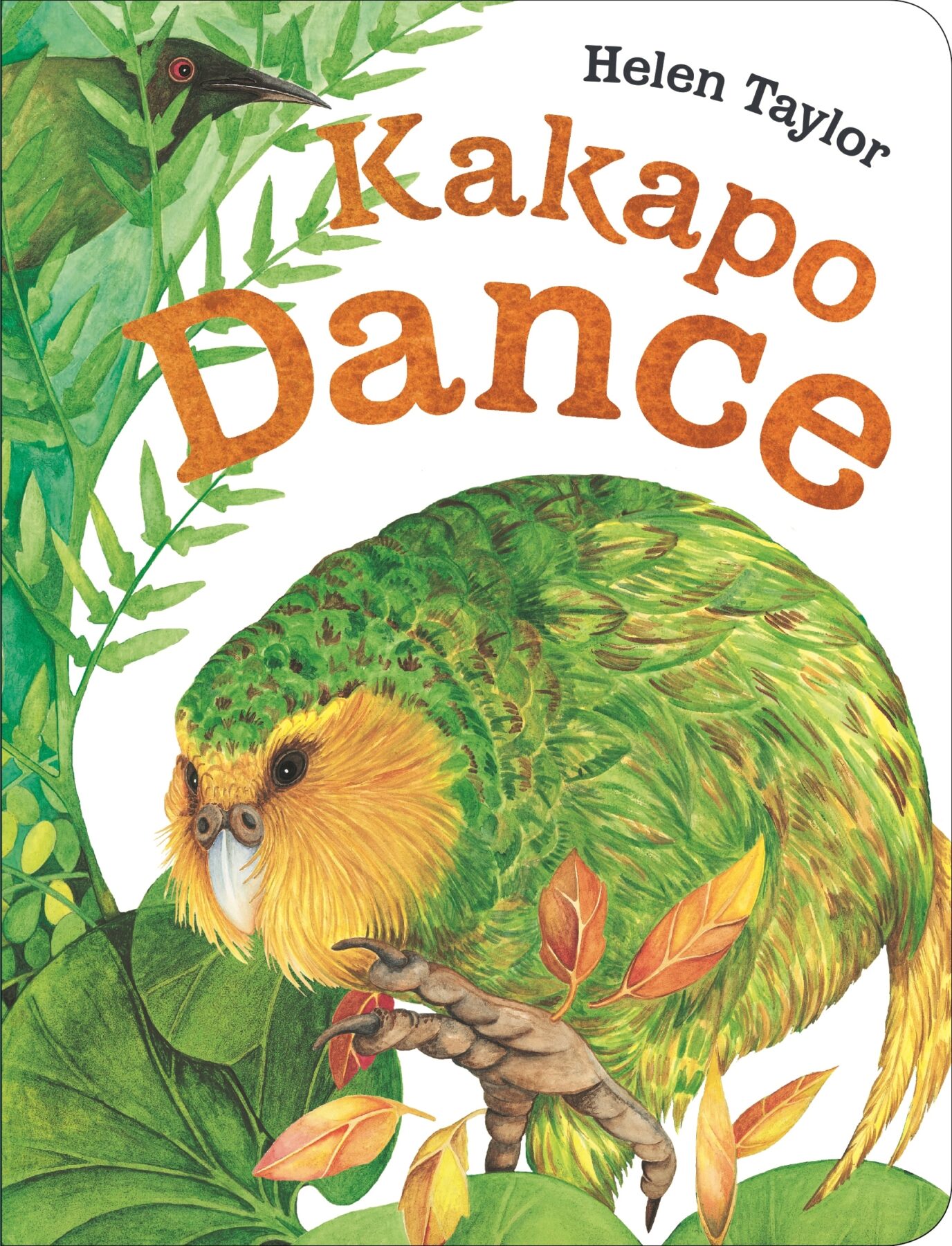
Kākāpō Dance
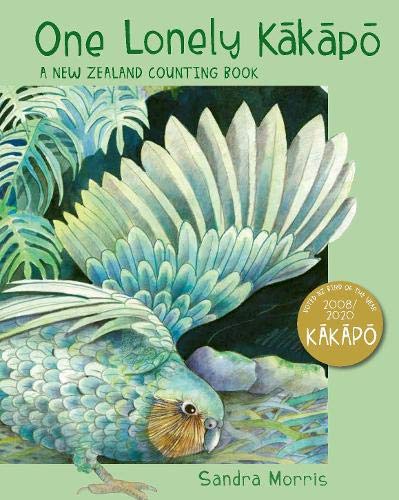
One Lonely Kākāpō: A New Zealand Counting Book
”Kiwi are a significant national icon, equally cherished by all cultures in New Zealand. Kiwi are a symbol for the uniqueness of New Zealand wildlife and the value of our natural heritage.
The bird itself is a taonga (treasure) to Māori, who have strong cultural, spiritual and historic associations with kiwi. Its feathers are valued in weaving kahukiwi (kiwi feather cloak) for people of high rank.
Department of Conservation
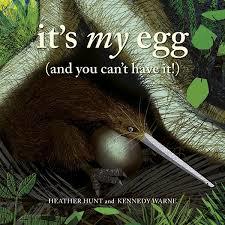
It’s My Egg (And You Can’t Have it)
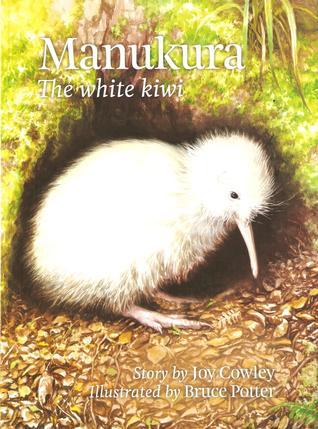
Manukura: the White Kiwi
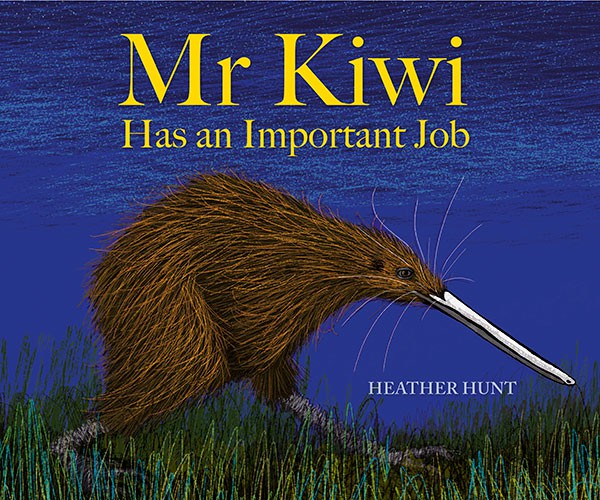
Mr Kiwi Has an Important Job
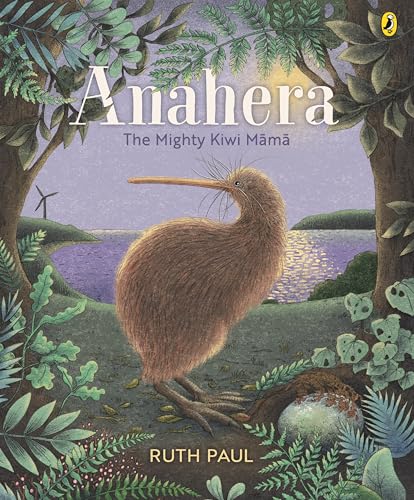
Anahera
”manu
Te Aka Māori Dictionary
1. (noun) bird - any winged creature including bats, cicadas, butterflies, etc.
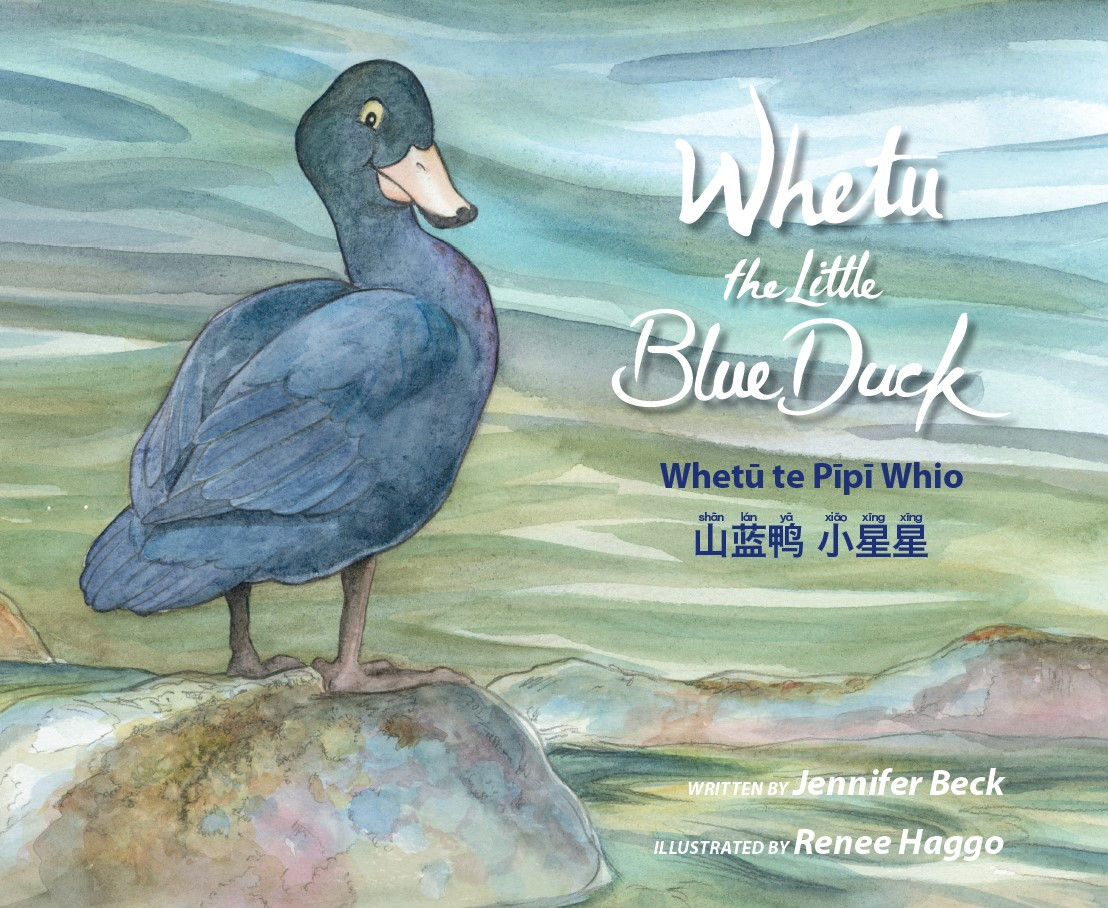
Whetū the Little Blue Duck
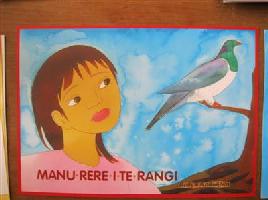
Manu-rere-i-te-rangi
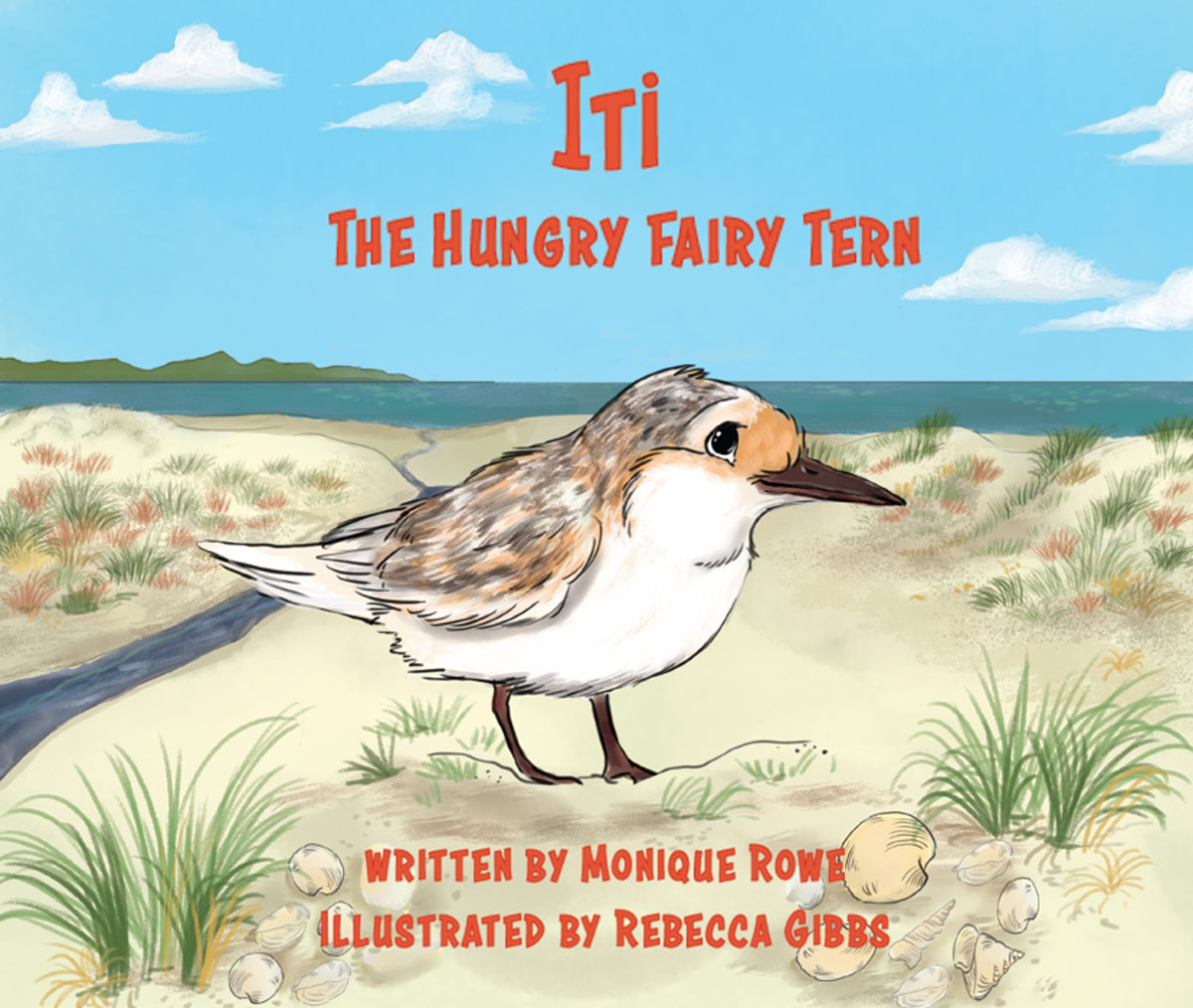
Iti: The Hungry Fairy Tern
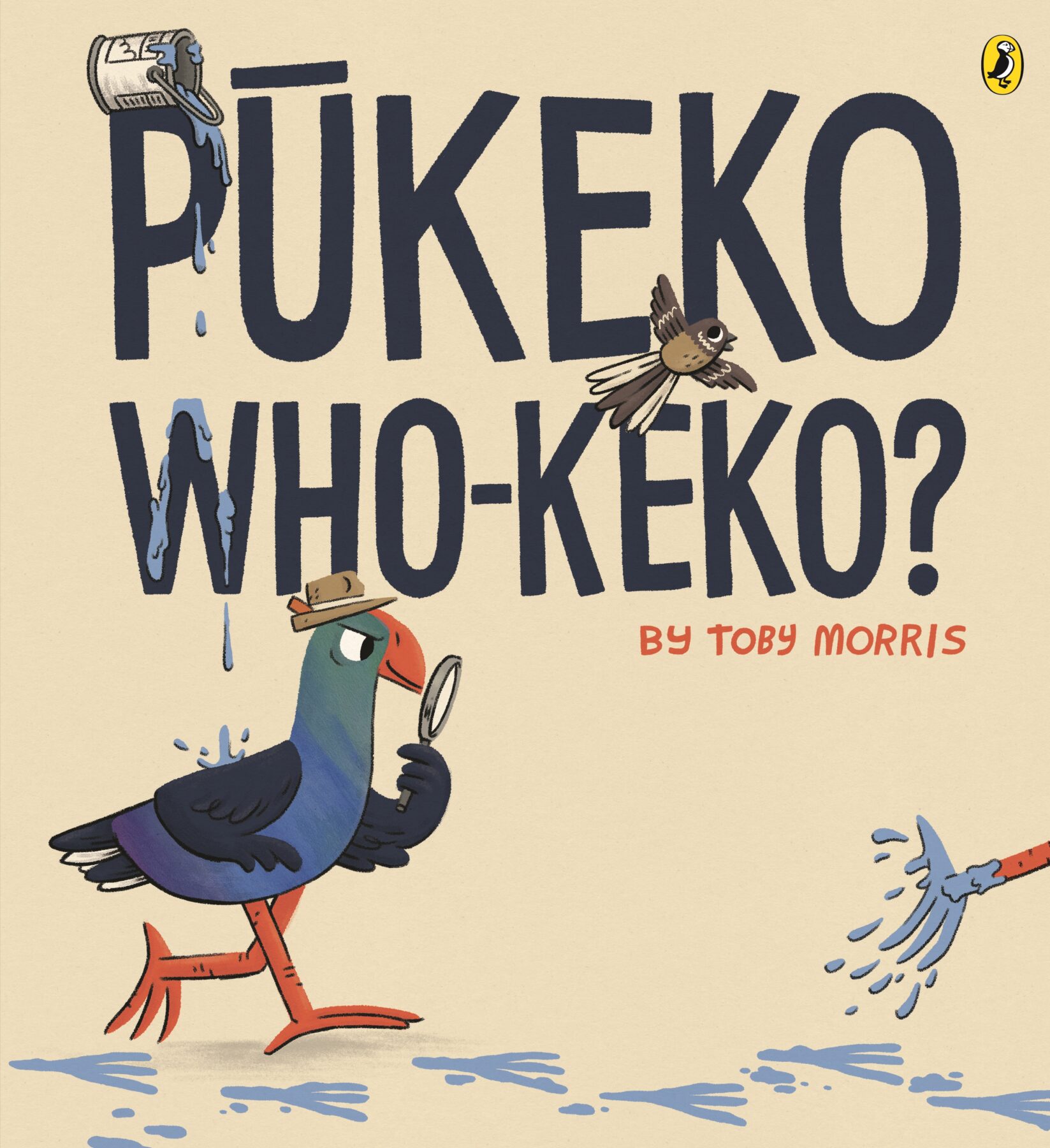
Pūkeko Who-keko?
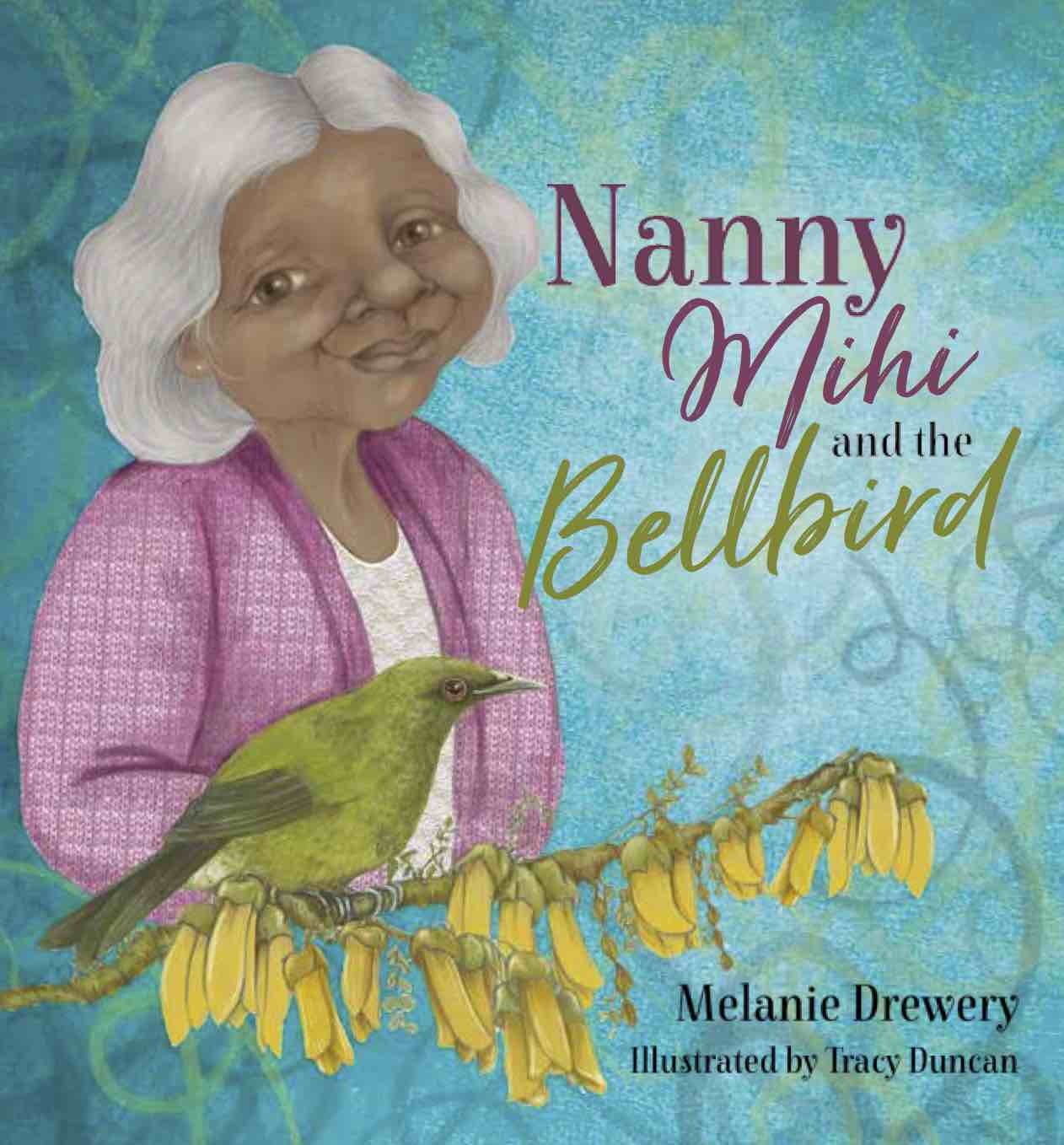
Nanny Mihi and the Bellbird
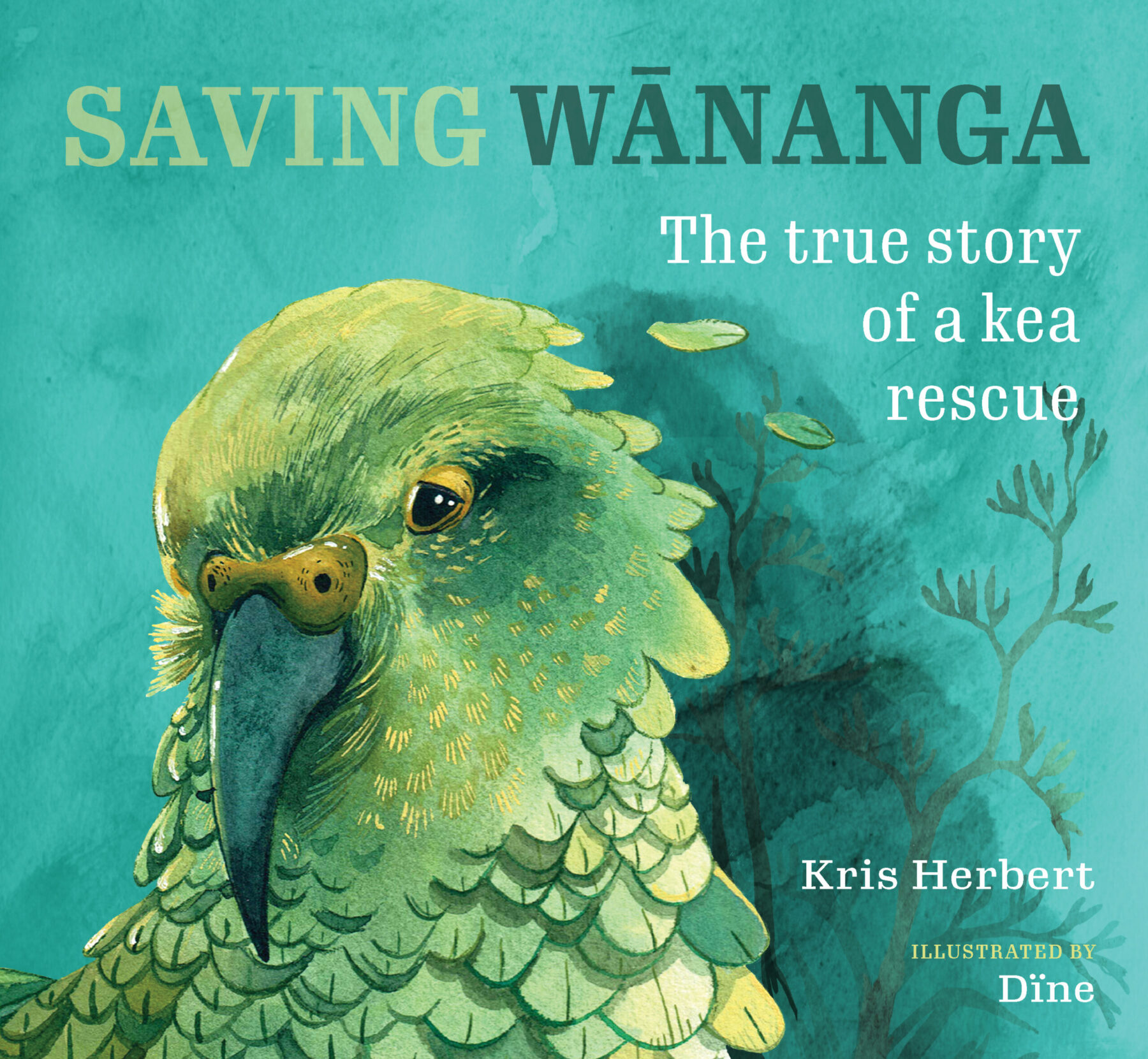
Saving Wānanga: The True Story of a Kea Rescue
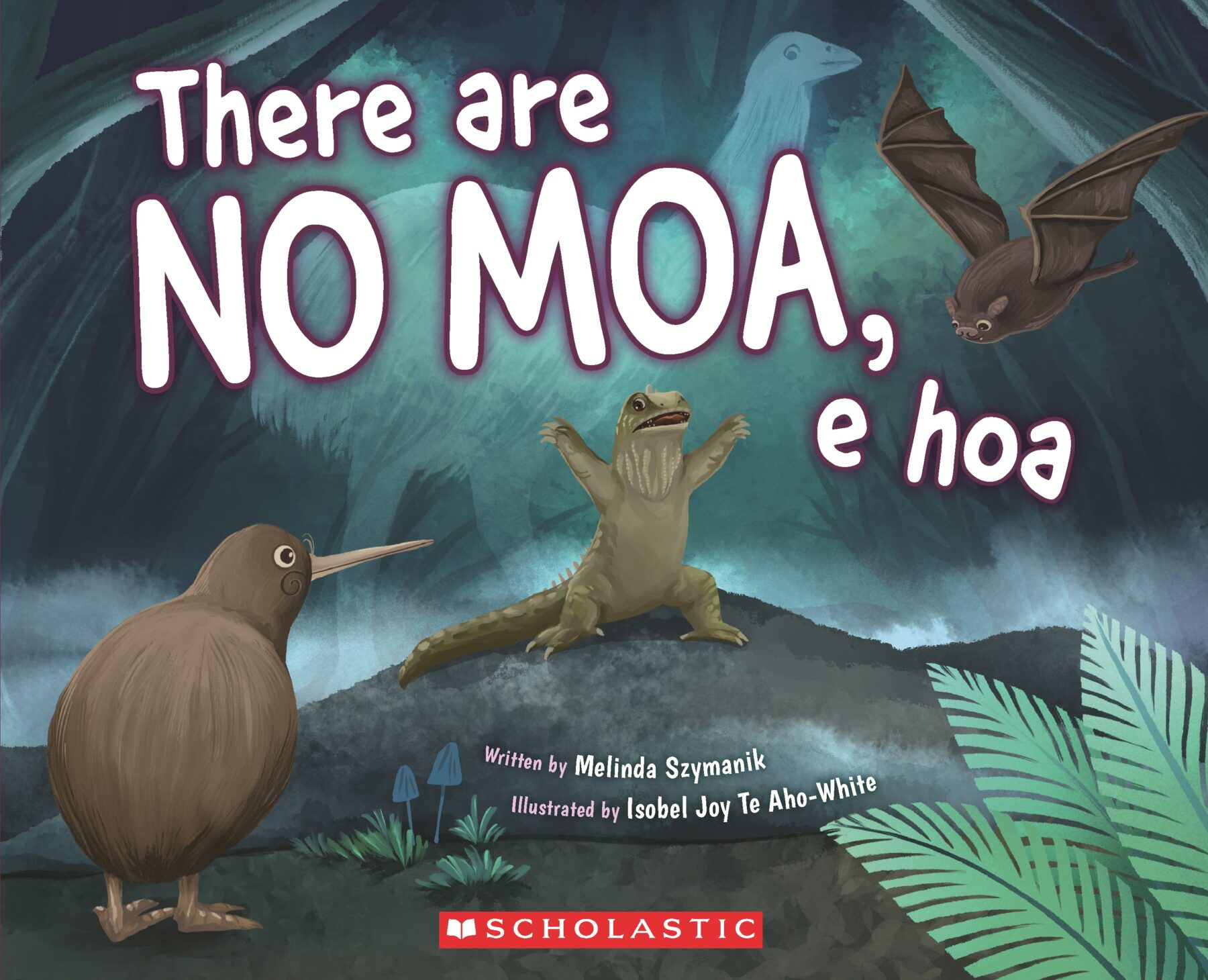
There Are No Moa, e Hoa
Tamanui: The Brave Kōkako of Taranaki
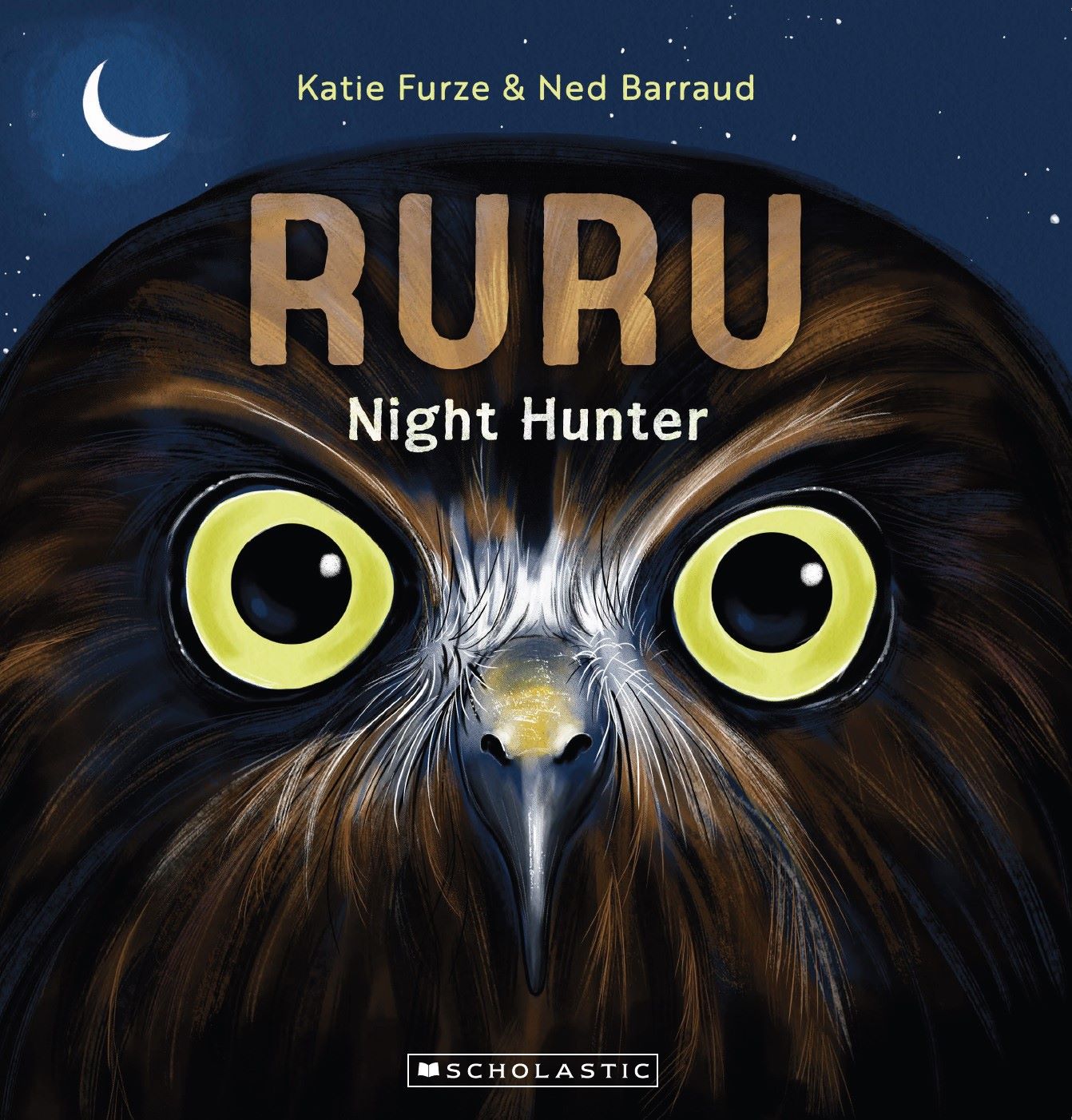
Ruru: Night Hunter
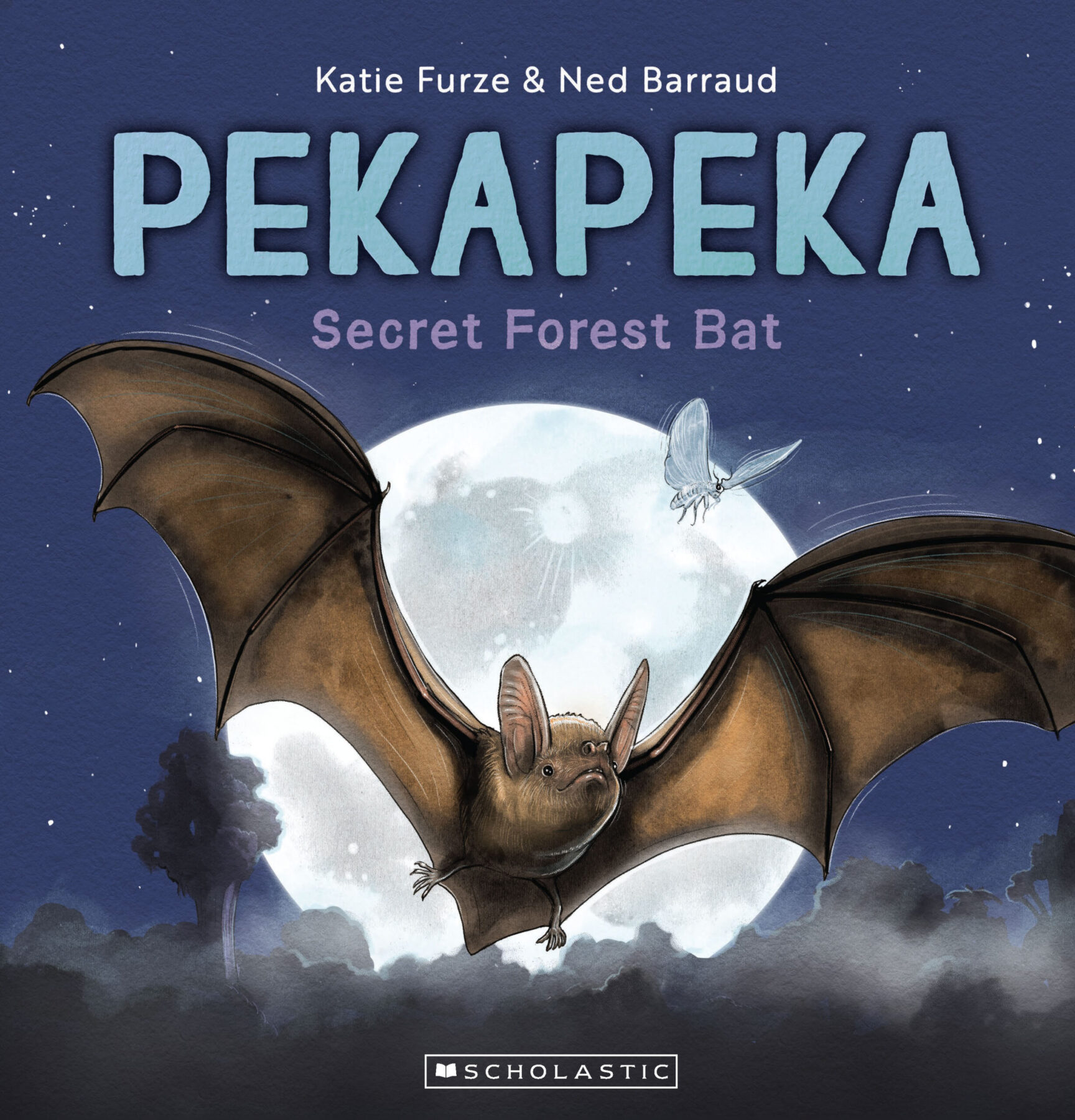
Pekapeka: Secret Forest Bat
”Four baby tuatara have been discovered alive and well at the demolition site of Invercargill’s former museum.
Invercargill’s resident tuatara were shifted from their museum home in February 2023 to make way for Invercargill City Council’s project to demolish and rebuild the museum, along with construction of a separate tuatara enclosure in Queens Park.
Council Parks and Recreation manager Caroline Rain said a sharp-eyed member of the demolition contractor team spotted a baby tuatara in the animals’ former enclosure on Wednesday.
“Following the discovery, our living species team did a sweep of the former enclosure and discovered three more babies hiding in the soil,” Rain said.
The Southland Times
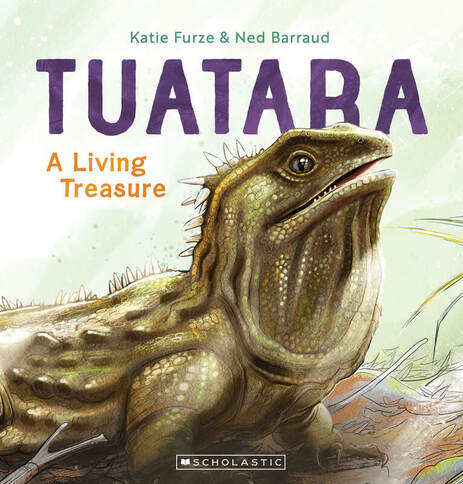
Tuatara: A Living Treasure
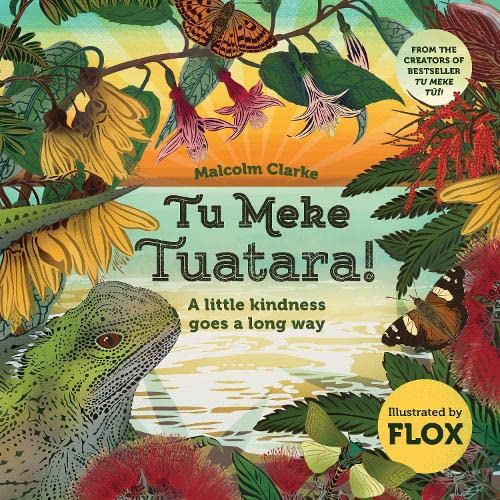
Tu Meke Tuatara
”On Monday, two little blue penguins or kororā twice had to be removed from under a sushi store near the main railway station and returned to a nesting box on the waterfront.
Radio New Zealand
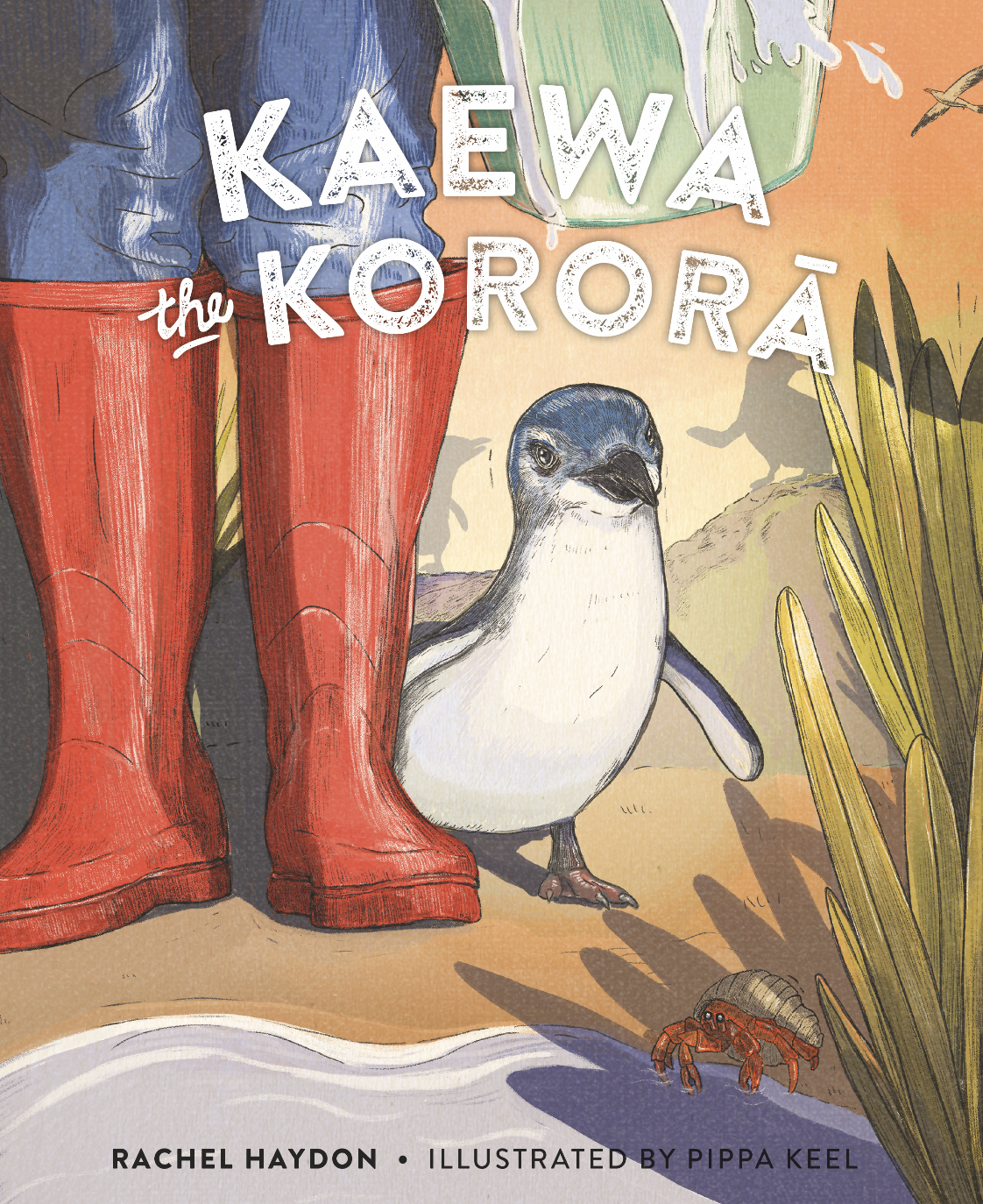
Kaewa the Kororā
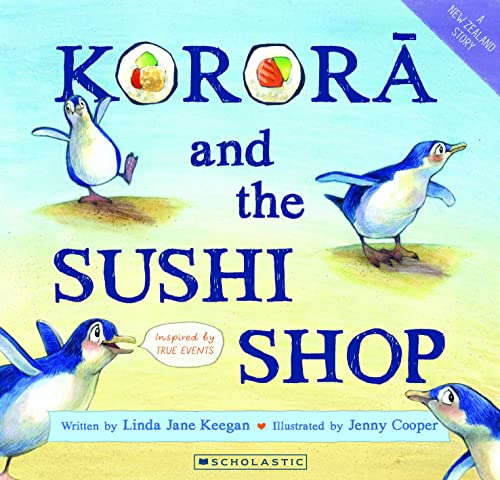
Kororā and the Sushi Shop
”Wētā have been around long enough to see dinosaurs come and go and to evolve into more than 100 different species, all of them endemic to New Zealand.
Department of Conservation
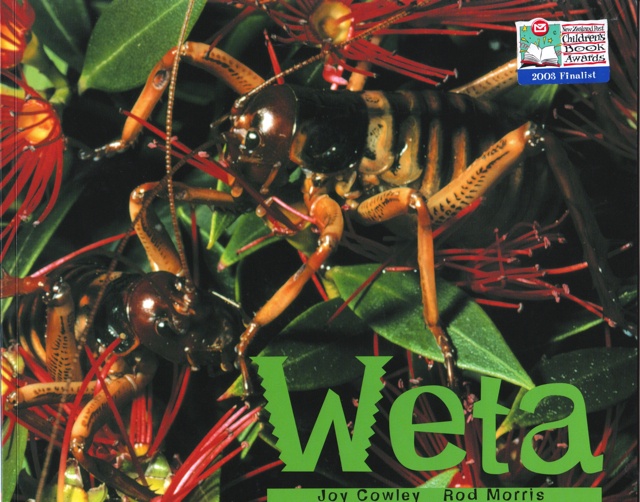
Wētā: A Knight in Shining Armour
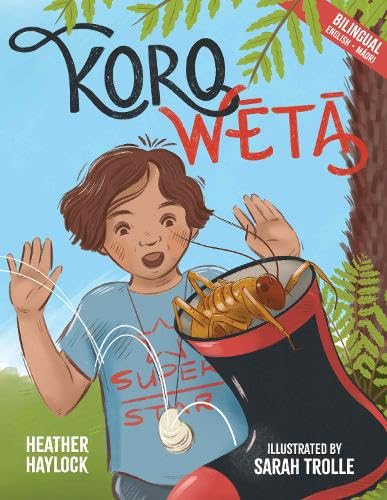
Koro Wētā
”Almost half the world’s approximately 80 species of cetaceans are found in New Zealand’s waters. This is not surprising as New Zealand controls the fourth largest marine territory in the world, its waters are rich with foods that these mammals need, and it is on the migratory path of the largest whales.
Of the 38 cetaceans known to inhabit New Zealand waters, 22 are whales, but only a half dozen are relatively common. Some species, such as sperm whales, are highly visible and attract thousands of tourists to towns like Kaikōura. Others, such as beaked whales, are rarely seen and are known only because they beach themselves when injured or ill.
Te Ara
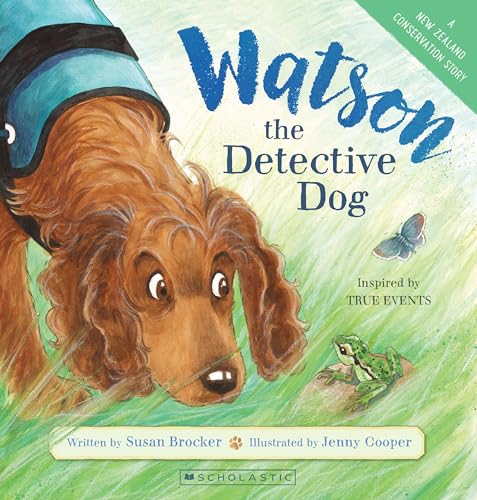
Watson the Detective Dog
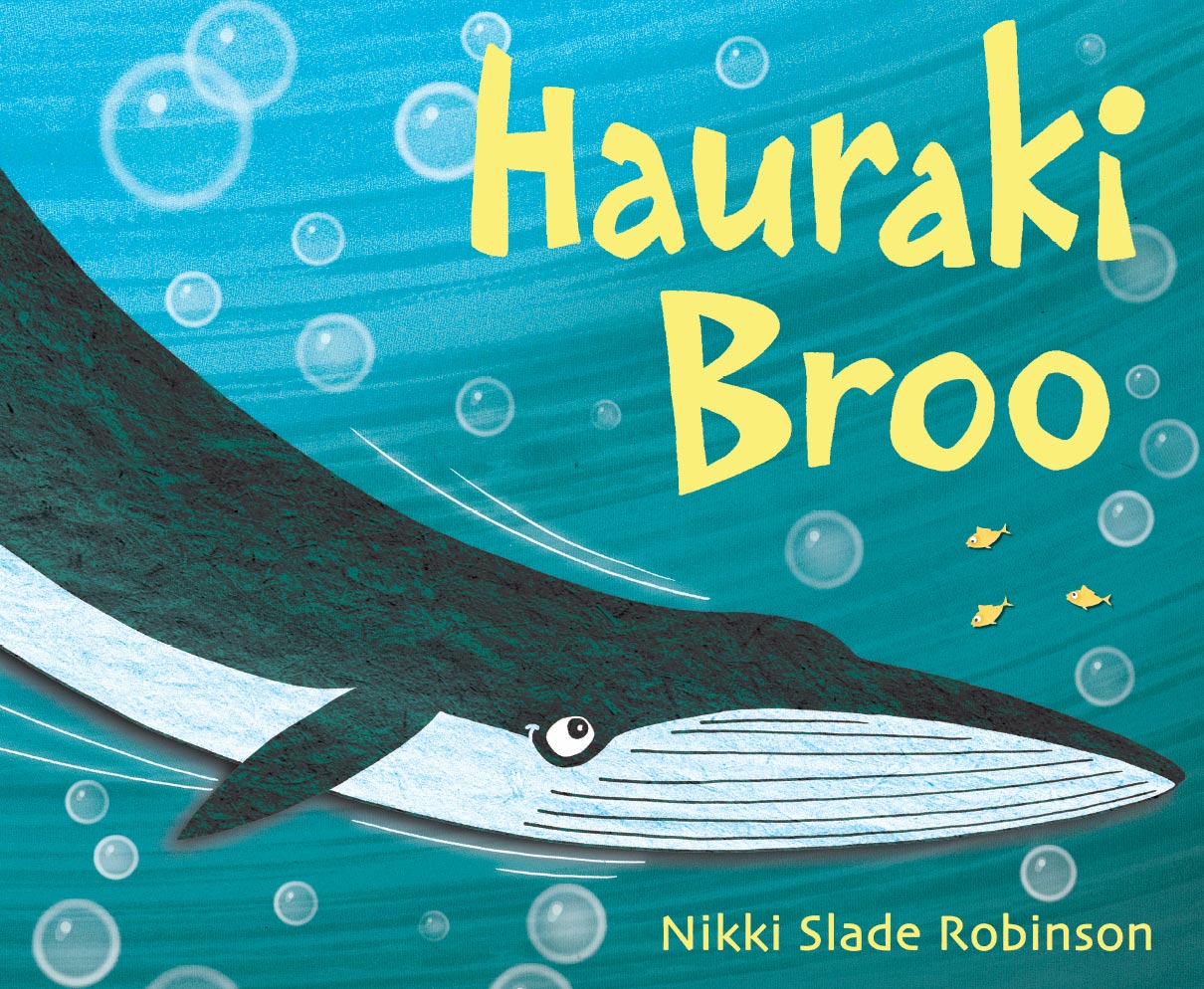
Hauraki Broo
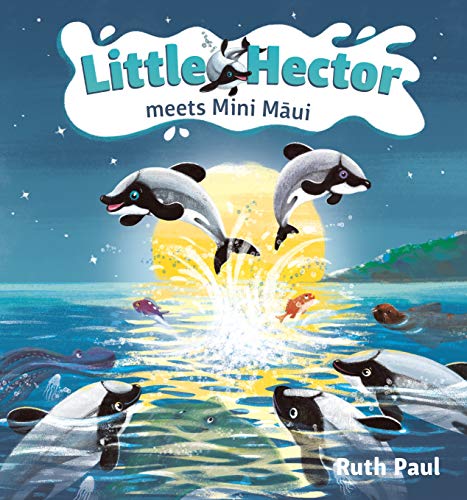
Little Hector Meets Mini Māui
”“Pūteketeke began as an outside contender for Bird of the Century but was catapulted to the top spot thanks to its unique looks, adorable parenting style, and propensity for puking,” says Forest & Bird chief executive Nicola Toki.
Forest & Bird
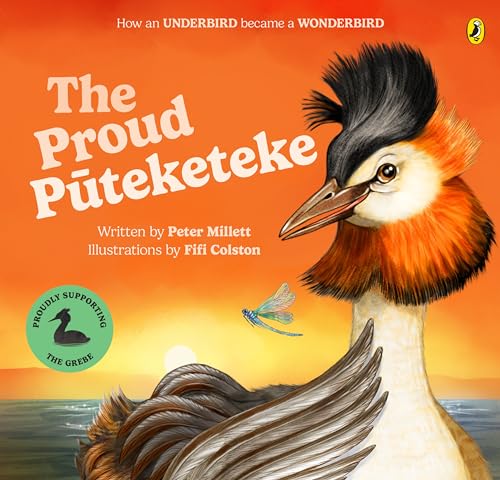
The Proud Pūteketeke
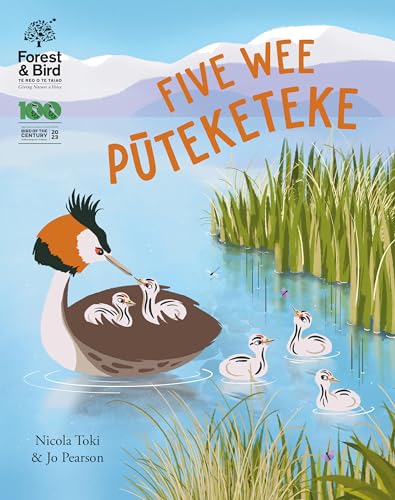
Five Wee Pūteketeke
Books are sometimes windows, offering views of worlds that may be real or imagined, familiar or strange.
-Rudine Sims Bishop
A Note From Ms. Kate (The Lavender Librarian)
When we think of the work of the legendary Rudine Sims Bishop—and their insights about children’s books being mirrors, windows, and sliding glass doors—we generally think of the human experience. And, while finding books that represent every child is a priority, it’s not the only way of learning through books. Most children are fascinated by animals. And it’s delightful to see the way their curiosity about little creatures helps them build early science literacy and even empathy.
The animals and, indeed, much of the natural world in Aotearoa (New Zealand) is otherwordly to the folks of the northern hemisphere. I had the privilege of visiting NZ to see friends and I was amazed by how different I found so many aspects of daily life. It didn’t hurt that it was January and I was realizing I needed a stronger SPF while my car was under over a foot of snow in the Canadian winter. In my time there, I learned that I was woefully unaware of their fascinating wildlife—and that this wildlife consisted primarily of flightless birds!
Thanks to this list of books that Auntie Anne has so lovingly compiled, you and your library kids can experience the joy of meeting these creatures too. And having the wonderful experience of traveling to their world in books.